Transforming Spaces: Creative Ideas for Home Space Management with Minimalist Principles
The Art of Creating Calm Spaces
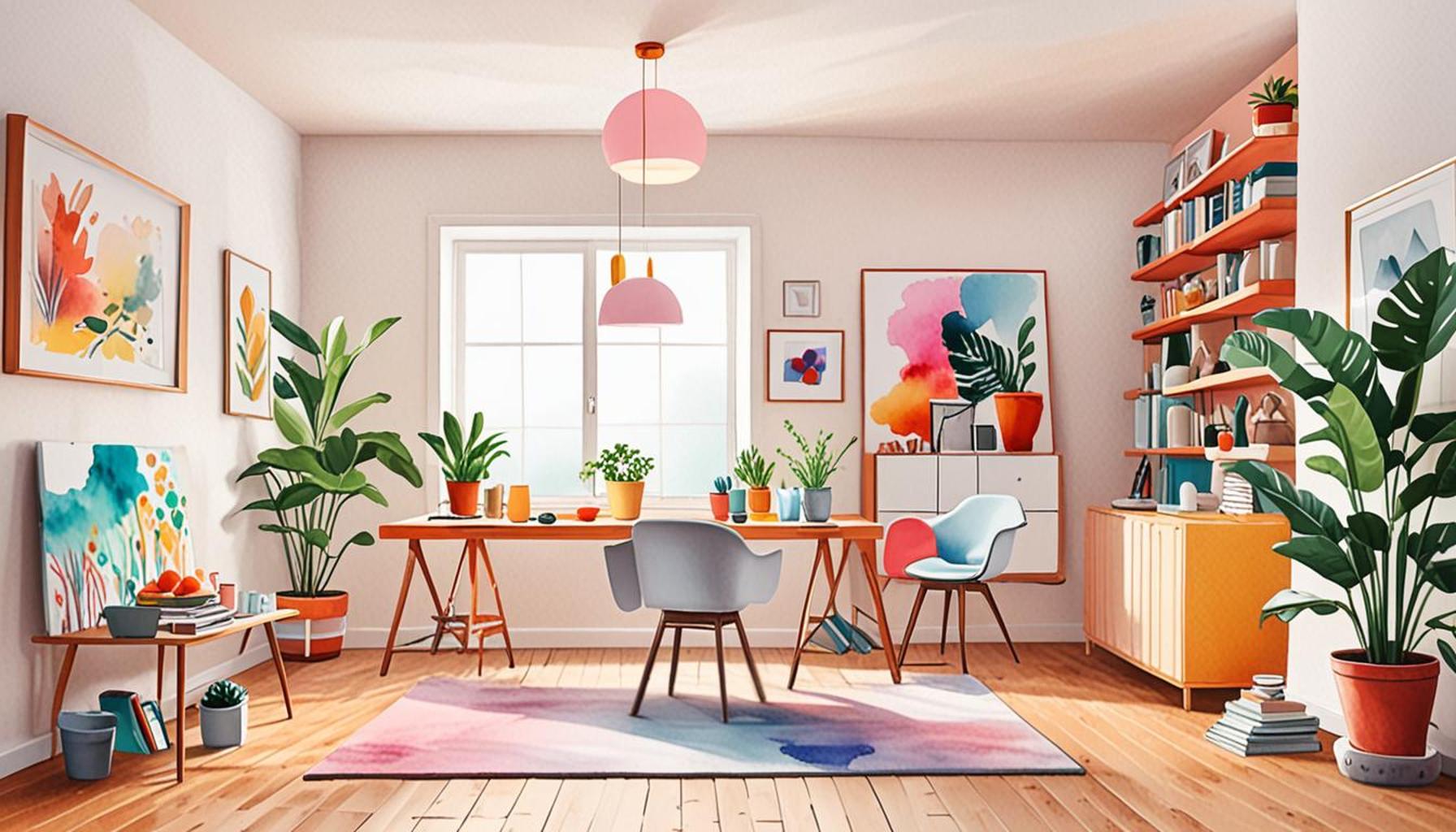
In today’s fast-paced world, the burden of excess can weigh heavily on our mental and physical well-being. Clutter can create a sense of chaos, hindering our ability to relax and focus. Therefore, transforming your home into a minimalist sanctuary is more than an aesthetic choice—it’s a vital step towards nurturing a peaceful mind and an organized life. Minimalism embodies a philosophy that champions simplicity, purpose, and intention throughout our living spaces, enabling us to cultivate a sanctuary that enhances our everyday experiences.
To fully embrace this philosophy, consider the following core principles of minimalist space management:
- Declutter Regularly: Adopt a routine that involves evaluating your belongings. Challenge yourself to part with items you no longer use or find joy in. For instance, allocate one day a month to sift through your wardrobe or kitchen drawers, donating clothes that no longer fit or appliances gathering dust. This conscious effort not only liberates physical space but also fosters a sense of lightness in your home.
- Multi-Functional Furniture: In a country like Nigeria, where space can be at a premium, the use of multi-functional furniture is paramount. Consider investing in a sofa bed for your living room, which allows a seamless transformation of your space for guests while also serving as a comfortable seating area. Foldable dining tables or nesting coffee tables can adjust depending on the occasion, optimizing your space without compromising comfort or style.
- Neutral Colors: Color selection dramatically influences a room’s atmosphere. Employing a light and neutral color palette can create an illusion of expansiveness and tranquility. Soft whites, beiges, and pastel shades can be complemented with vibrant local textiles or art pieces, allowing personality to shine within a serene framework.
In Nigeria, where sprawling urban environments often lead to compact living arrangements, adopting minimalism can yield transformative effects for individuals and families alike. Whether residing in a bustling apartment in Lagos or a cozy home in Enugu, effective space management can fundamentally change how you interact with your surroundings, enhancing both comfort and efficiency.
As we explore this topic further, expect practical tips and innovative ideas uniquely suited to diverse Nigerian settings. Minimalism transcends mere aesthetics; it’s a lifestyle that harmonizes sustainability and purpose within our homes. The inclusion of locally sourced materials, for example, can also contribute to a minimalist approach by minimizing environmental impact while promoting cultural heritage.
Prepare to delve into creative solutions that not only maximize your space but also encourage a more deliberate and intentional lifestyle. By embracing minimalism, you can elevate your living experience, making every inch of your home work for you rather than against you.
SEE ALSO: Click here to read another article
Smart Solutions for Maximizing Your Home
Understanding the nuances of space management is crucial when adopting minimalist principles. The goal is to create a living environment that is not only visually appealing but also functional and conducive to a stress-free lifestyle. With the right strategies, any small space can be transformed into a haven of tranquility, and in Nigeria, where many live in urban settings with limited square footage, these techniques are particularly valuable.
One approach to effective space management is through the use of vertical solutions. By maximizing vertical space, homeowners can free up floor areas that are often cluttered with unnecessary items. Here are a few practical ideas to consider:
- Wall Shelves: Installing floating shelves can display books, plants, or decorative items without taking up floor space. These fixtures add visual interest and functionality while making use of otherwise neglected wall areas.
- Over-the-Door Organizers: Often overlooked, the backs of doors can be prime real estate for storing small items, from shoes to cleaning supplies. Customizable organizers help keep these essentials accessible yet out of sight.
- Hooks and Pegboards: In home workshops or kitchens, these can organize tools, utensils, and accessories efficiently while adding a creative element to your decor. Consider using vibrant colors or patterns to integrate them into your overall design.
Another significant aspect of minimalist space management is the importance of storage solutions. Decluttering is only half the journey; knowing where to put everything is just as vital. In Nigerian homes, multi-functional storage options can simplify this process. Here are a few options to explore:
- Ottomans with Storage: These versatile pieces can serve multiple functions—extra seating, a coffee table, and enclosed storage for blankets, books, or toys, eliminating the need for bulky cabinets.
- Bed Frames with Drawers: Instead of traditional bed frames, consider models that incorporate built-in drawers underneath, providing a clever way to store seasonal items or extra linens.
- Under-Stair Storage: If you have stairs in your home, the area beneath them can be transformed into a delightful nook for bookshelves or hidden storage, turning an unused space into a functional feature.
Adopting a minimalist mindset also encourages the thoughtful selection of decorative items. When you limit the number of adornments in your home, every piece serves a purpose or tells a story. This not only reduces visual clutter but also enhances your overall aesthetic. In Nigeria, incorporating local crafts or artwork can provide a personal touch, celebrating the rich heritage while maintaining a clutter-free environment.
Ultimately, embarking on a minimalist journey is about more than just reducing the number of items you own; it’s about transforming your living space into a personalized oasis. By employing intelligent space management solutions, you can optimize your home for comfort and simplicity, paving the way for a more fulfilling lifestyle. As we progress in this article, we’ll uncover more innovative strategies and unique local solutions that can help you maximize your home space while embracing minimalism.
As we delve deeper into the world of home space management through minimalist principles, it’s important to recognize the various advantages that a well-thought-out minimalistic approach can bring to your living environment. Embracing minimalism is not just about reducing clutter but enhancing the overall quality of life. Below is a table highlighting some key aspects of how minimalism can transform your spaces:
| Advantage | Description |
|---|---|
| Increased Focus | A decluttered space leads to a calmer mind, allowing you to concentrate better on tasks. |
| Enhanced Functionality | Every piece in your home has a purpose, promoting efficiency and making daily routines smoother. |
| Improved Aesthetic | Minimalism creates a visually appealing environment, allowing your decor to shine through without distraction. |
| Greater Sustainability | Fewer items mean less consumption and waste, contributing to a more sustainable lifestyle. |
In summary, the benefits of integrating minimalism into your home can extend beyond aesthetics. They touch upon mental clarity, functional living, and sustainable choices—all contributing to a harmonious and fulfilling lifestyle. Exploring these advantages can guide you in making informed decisions about your home space management, allowing you to reap the rewards of a minimalist philosophy. Each dimension reflects the core idea that less is indeed more when it comes to designing a living space that caters to both form and function.
LEARN MORE: This related article may interest you
Embracing Multifunctionality in Design
As you dive deeper into the world of minimalist space management, one essential principle to embrace is the concept of multifunctionality. In compact living environments, where space comes at a premium, selecting furniture that serves dual purposes is not just practical—it’s a necessity. This approach is particularly relevant in cities across Nigeria, where urban living often means making the most out of every square metre.
Consider the humble folding table. Perfect for small dining spaces, it can be stowed away when not in use, allowing the area to be repurposed for other activities. Whether it’s family board games or an impromptu dance session, the folding table provides the flexibility needed for modern living. This adaptability connects perfectly with the Nigerian lifestyle, where family gatherings and social interactions are frequent.
Another ingenious solution is the convertible sofa bed. In Nigerian homes where visiting relatives are common, having a piece that transitions from a stylish sofa during the day to a comfortable sleeping space at night can be invaluable. This not only saves space but also offers a warm welcome to guests without compromising on style or function.
- Stackable Storage Bins: These bins not only provide storage but can also be used as makeshift tables when needed. Available in various materials and styles, stackable bins can fit seamlessly into the aesthetic of any room while promoting orderliness.
- Murphy Beds: Ideal for spaces like studio apartments, these beds fold up against the wall when not in use. This ingenious design maximizes floor space, offering a room that can be both a bedroom and a vibrant living area during the day.
- Drop-leaf Desks: For those working from home or students, drop-leaf desks can be folded down when not in use, creating more space in a room that often doubles up as a workspace. This solution is particularly fitting for urban dwellers struggling with limited office space.
Creative Use of Color and Light
Beyond furniture choices, another critical aspect of minimalist space management lies in color and lighting. The right combination can make any room appear larger and more inviting. In many parts of Nigeria, especially in urban areas where light can be scarce, harnessing natural sunlight through clever design can brighten and expand your space visually.
Opt for light-colored walls such as whites, creams, or pastels, which can make a room feel airy and open. Moreover, strategically placed mirrors can enhance this effect. By reflecting light and creating a sense of depth, mirrors can transform a narrow corridor or a small living room into an expansive retreat.
Additionally, incorporating layered lighting is pivotal. Using a combination of ambient, task, and accent lighting can create warmth and depth while keeping design minimal. Pendant lights in kitchens, floor lamps in living areas, and sconces in narrow hallways add dimension without overcrowding your space.
For those seeking to inject a more personal touch into their minimalistic decor, consider incorporating local textiles in decorative pillows or throws. Not only do textiles add warmth, but they also serve as conversation starters, connecting to Nigeria’s rich cultural heritage while maintaining an uncluttered aesthetic.
As we continue to explore ways to transform your home into a minimalist paradise, remember that each choice you make can positively impact both your environment and your lifestyle. Adopting these practical strategies will help you discover a world of possibilities to maximize your living space, inviting serenity and functionality into your home.
SEE ALSO: Click here to read another article
Final Thoughts on Minimalist Space Management
As we conclude our exploration of transforming spaces with creative ideas for home space management rooted in minimalist principles, it’s clear that effective space utilization is more than just a trend—it’s a lifestyle choice that resonates deeply with many Nigerian households. The combination of multifunctional furniture, clever use of color and light, and incorporating local aesthetics not only optimizes limited living environments but also enhances the overall experience of your home.
The beauty of minimalism lies in its ability to create a sense of calm and order, even in bustling urban settings where chaos can easily take hold. By prioritizing essential items and embracing multifunctionality, homeowners can foster flexibility, turning their living spaces into dynamic areas that adapt to various needs—be it family gatherings, work-from-home scenarios, or serene relaxation spaces.
Moreover, tapping into the power of natural light and thoughtful color choices can make a remarkable difference. Light shades and strategic mirror placements can visually expand your space, fostering an inviting atmosphere. This is especially beneficial in Nigerian homes where maximizing every inch is paramount.
Ultimately, the journey towards minimalist space management is both practical and fulfilling. Embracing these principles allows for a harmonious balance between form and function, respecting the rich cultural heritage while creating efficient, stylish environments. As you incorporate these ideas into your home, remember that less truly can be more, paving the way for a joyful, productive, and serene living experience.