Space Management and the Importance of Minimalist Design: Creating Environments that Inspire and Calm
The Power of Minimalist Design in Space Management
In an era where urbanization is rapidly transforming the living conditions in various Nigerian cities, the importance of effective space management has never been more evident. With the challenges of cramped living spaces and excessive clutter prevalent in bustling metropolises like Lagos and Abuja, minimalist design emerges as a beacon of hope. This design philosophy not only seeks to beautify our environments but also aims to enhance our psychological well-being.
Decluttering serves as the bedrock of minimalist design. By consciously stripping away non-essential items, we can create open spaces that invite relaxation and tranquility. For instance, Nigerians often use multifunctional furniture, such as storage ottomans or collapsible tables, that serve dual purposes without crowding the space. This approach not only maximizes utility but also minimizes visual distractions, fostering a more serene atmosphere where individuals can focus and unwind.
The principle of simplicity further accentuates the importance of clean lines and a neutral color palette in minimalist design. In a Nigerian context, incorporating natural materials like wood and stone can evoke a sense of warmth while maintaining an uncluttered aesthetic. Homes adorned with vibrant art pieces can stand out beautifully against a backdrop of muted tones, allowing creativity and personality to shine through without overwhelming the senses. Such designs promote not only visual appeal but also an emotional response, encouraging calmness amid the chaos of daily life.
Functionality is another key dimension that drives minimalist design. Every item within a space should serve a clear purpose, thereby reducing the potential for clutter. For example, in smaller Nigerian apartments, utilizing vertical storage solutions, such as wall-mounted shelves, can free up floor space while keeping essentials within easy reach. When every piece of furniture and decor has a purpose, it transforms the environment into a practical yet aesthetically pleasing space.
Beyond mere aesthetics, the benefits of minimalist design are profound. Research indicates that organized environments significantly boost focus, creativity, and overall productivity. For students and professionals alike, working in a decluttered, minimalist space can lead to enhanced cognitive functions and decreased stress levels. A serene environment allows individuals to concentrate on tasks at hand, whether it be studying for an exam or brainstorming at work.
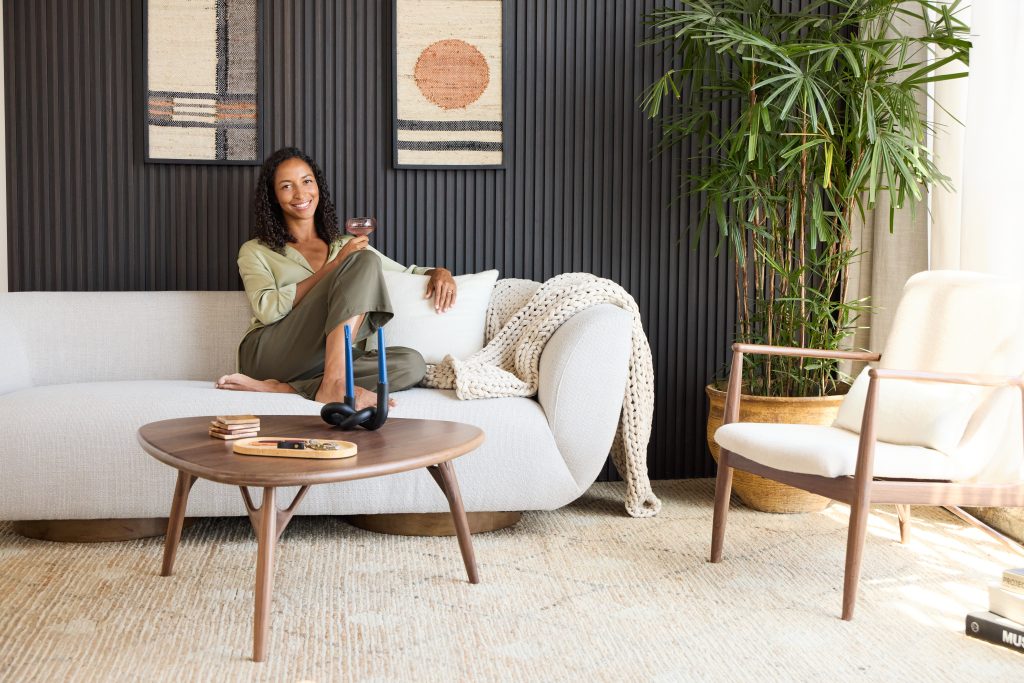
As we explore further into the realm of minimalist design and space management, we invite you to join us in discovering innovative ideas that can transform your surroundings into inspiring retreats. By embracing minimalism, we can cultivate spaces that not only reflect our personal style but also uplift our spirits, reinforcing the notion that a well-designed environment is essential for a fulfilling life.
ADDITIONAL INSIGHTS: Expand your understanding here
Embracing the Essentials: The Core Tenets of Minimalist Design
The idea behind minimalist design extends beyond mere aesthetics; it represents a lifestyle choice rooted in clarity, purpose, and simplicity. In Nigeria’s rapidly growing urban centers, where space is often limited and overwhelming, the principles of minimalist design offer crucial solutions to achieving functional and peaceful living spaces. Understanding and implementing these principles can significantly enhance our daily lives.
One essential feature of minimalist design is open spaces. The layout of any environment plays a vital role in how we perceive and interact with our surroundings. By utilizing open floor plans, you can create a sense of freedom and ease, allowing light to flow uninterrupted through the space. For many urban Nigerians, open spaces facilitate better airflow and natural light, crucial elements in combating the oppressive heat often experienced in cities like Lagos. This openness can also enhance the overall ambiance of a home, fostering feelings of calm and relaxation among residents.
Another fundamental aspect of minimalist design is the introduction of multi-functional spaces. As living quarters become increasingly compact, the ability to maximize space becomes imperative. Living rooms can double as offices, while bedrooms can serve as cozy reading nooks. This multifunctionality not only saves physical space but promotes a more versatile lifestyle—catering to the diverse needs of modern Nigerians. By incorporating versatile furniture, such as convertible sofas or foldable study desks, spaces can easily adapt to various activities, making daily living more accommodating and enjoyable.
To further illustrate the power of minimalist design in space management, consider the following key elements:
- Neutral Color Palettes: Utilizing soft, neutral tones helps to create an environment that feels spacious and restful. Nigerians can embrace local colors inspired by the natural landscape, such as earthy browns or serene blues, to echo the beauty of their surroundings while maintaining simplicity.
- Quality Over Quantity: Focus on fewer, high-quality items rather than an abundance of decor. This approach encourages thoughtful purchasing, with each item reflecting personal values and tastes.
- Navigable Layouts: Incorporate easy-to-navigate pathways between furniture pieces to foster smooth movements within the space. A well-planned layout minimizes the temptation to clutter areas and enhances functionality.
The benefits of adopting minimalist design principles go beyond aesthetics and functionality. Homes designed with these principles can evoke emotional well-being, heightened creativity, and improved mental clarity. Research suggests that clutter can increase anxiety and distract from daily tasks, impacting productivity and stress levels. By reducing clutter and embracing minimalist design, individuals can create a soothing atmosphere conducive to both relaxation and focus.
As we delve deeper into this exploration of space management and minimalist design, we can uncover innovative strategies tailored to the unique characteristics of Nigerian homes. This journey towards creating environments that inspire and calm is one we can all embark upon, transforming our spaces into cherished sanctuaries amidst the busyness of urban life.
| Advantages of Minimalist Design | Impact on Space Management |
|---|---|
| Enhanced Focus | A minimalist environment reduces distractions, allowing individuals to concentrate better on their tasks |
| Increased Relaxation | Creating serene spaces fosters calmness, which can significantly reduce stress levels |
| Easy Organization | Less clutter leads to smarter storage solutions, making space management effortless |
| Timeless Aesthetics | Minimalist design promotes a classic style that never goes out of fashion, enhancing the longevity of spaces |
The world around us requires thoughtful engagement with space. When you consider the essence of space management, eliminating visual chaos is key to fostering settings that boost creativity and productivity. Minimalism doesn’t just declutter physical environments; it invigorates emotional well-being. A direct effect of this design approach is the promotion of a tranquil environment that invites inspiration and fosters a calm mindset. Utilizing strategic space planning allows for seamless transitions between areas in your home or workspace. As part of a broader aesthetic, minimalist design not only creates an appealing look but also enhances functionality and usability. With a focus on quality rather than quantity, less is indeed more in a space where personal growth and creativity can flourish. Embracing these principles can elevate any environment into a realm that promotes positivity and inspiration.
YOU MAY ALSO LIKE: Read read another article
Designing with Intention: Creating Purposeful Spaces
As we explore the intricacies of space management through minimalist design, it becomes evident that every element in a living environment can have a significant impact on how individuals interact with that space. In Nigeria, where population density is high and living conditions can often feel cramped, intentional design decisions can transform limited spaces into areas that breathe life and tranquility.
One impactful strategy is the integration of nature into living spaces. Biophilic design, which emphasizes the connection between nature and humans, shines in minimalist settings. Incorporating elements like indoor plants, natural materials, and large windows can create a soothing environment that mitigates the stresses of urban life. In cities such as Abuja or Port Harcourt, where outdoor green spaces may be limited, bringing the outdoors inside can enhance well-being and promote a sense of calm. For instance, strategically placed potted plants can improve air quality and contribute to a sense of serenity, aligning perfectly with the minimalist ethos of simplicity and essentialism.
Furthermore, lighting design is a crucial aspect of minimalist interiors. Natural light should be maximized to encourage wakefulness and energy during the day while soft, warm artificial lighting should be utilized to create a cozy atmosphere in the evenings. An abundance of natural light contributes to increased comfort and productivity, especially for urban dwellers who may be confined to artificial environments for long hours. Simple design solutions, such as sheer window treatments that allow sunlight to filter through, can be both aesthetic and functional, promoting a vibrant yet peaceful living space.
It is essential to consider the influence of furniture choices in minimalist design. Opting for pieces that are not only functional but also aesthetically pleasing can tie a room together seamlessly. In the Nigerian context, locally sourced and handcrafted furniture can add character and cultural richness to a minimalist space. Sleek lines, ergonomic designs, and adaptable arrangements reflect a modern lifestyle and cater to a growing demand for form and function. The evaluation of these pieces based on their utility and emotional connection to the owner fosters a minimalist mindset of intentionality, leading to a more curated home environment.
Storage solutions in minimalist design are also pivotal in achieving a clutter-free atmosphere. Utilizing built-in cabinetry, hidden storage, and multifunctional furniture allows for organization without compromising style. For instance, using a well-designed trunk as both storage and a coffee table encapsulates the minimalist idea of maximizing space while maintaining elegance. In many Nigerian homes where space is precious, such practical solutions make a significant difference in the overall ambiance.
Lastly, the concept of mindful living dovetails with minimalist design. Practicing mindfulness encourages individuals to reflect on what is truly essential in their lives, subsequently influencing how they curate their spaces. By making conscientious choices about what to keep and what to let go, individuals can create an environment that truly resonates with their values and aspirations. This intentional approach empowers urban Nigerians to cultivate homes that invite calmness and inspire creativity amidst the hustle and bustle of daily life.
Ultimately, the journey of space management through minimalist design is one of transformation—turning ordinary living spaces into magical retreats. By integrating these principles, individuals can craft environments that calm the mind and inspire the spirit, aligning perfectly with the cultural richness and vibrancy of Nigerian life.
LEARN MORE: This related article may interest you
Concluding Reflections on Minimalist Design
In a rapidly urbanizing Nigeria, where space is often at a premium, the importance of space management through minimalist design cannot be overstated. The art of curating a calm and inspiring environment hinges on intentional choices that reflect both functionality and aesthetics, serving as a balm for the chaotic pace of city life. By prioritizing simplicity, individuals unlock the potential to transform their living spaces into serene retreats that foster creativity and well-being.
The integration of natural elements, thoughtful lighting, and discerning furniture selection emphasizes the crucial interplay between form and function. As we adopt mindful living practices, it becomes evident that our surroundings mirror our values. Each element, from the soothing presence of plants to the sleek lines of locally sourced furniture, contributes to an overall atmosphere that not only engages the senses but also promotes mental clarity.
Moreover, embracing innovative storage solutions is vital for maintaining a clutter-free environment that speaks to the minimalist philosophy. For the urban dweller, striking a balance between personal expression and spatial efficiency is key to navigating modern living with ease. Ultimately, minimalism is not merely a design aesthetic; it’s a lifestyle approach that encourages us to live with intention, to appreciate the essentials, and to create spaces that are reflective of who we are and what we value.
As we continue to explore the nuances of space management within the framework of minimalist design, let us remain open to new ideas and practices that enhance our environments. In doing so, we can cultivate homes that not only inspire tranquility but also resonate deeply with the rich cultural tapestry of Nigeria.