Living Spaces: How Space Management Can Promote Healthier and More Connected Relationships
Exploring the Impact of Space Management on Relationships
In densely populated urban areas such as Lagos, Abuja, and Port Harcourt, the way we organize and utilize our living spaces can profoundly influence our mental health and interpersonal relationships. As more individuals and families find themselves navigating life in these bustling cities, it becomes imperative to comprehend the significance of effective space management.
Space management is more than just a discipline focused on aesthetics; it involves a thoughtful arrangement of living environments aimed at enhancing functionality and emotional well-being. Proper space management includes several critical components that can help in maintaining a harmonious living atmosphere.
- Room Functionality: Each area of a home should serve a particular purpose that fosters connection, whether it’s a quiet nook for personal reflection or a vibrant gathering place for family activities. For instance, designing a multipurpose living room that accommodates games and conversation can become a center for family bonding.
- Accessibility: Ensuring that spaces are approachable for all family members is crucial. This consideration includes not only physical accessibility for seniors or those with disabilities but also creating environments where communication and movement are seamless. Transitioning from a cluttered space to a more organized layout can change the way family members interact.
- Comfort Zones: Cultivating areas that exude warmth can motivate social interaction and relaxation. For example, a reading corner with comfortable seating, warm lighting, and personal touches can encourage family members to unwind and engage with one another, strengthening their bond.
By employing specific space management strategies, we can create environments that nurture not only emotional well-being but also healthier relationships. Consider the power of a well-designed dining area: a communal table that invites family members to gather over meals can transform mundane dinners into cherished moments of connection. Furthermore, vibrant decorations or cultural artifacts displayed on walls can invite conversation, enrich family stories, and promote a sense of belonging.
The question remains: how can we optimize our personal spaces to actively foster connection? It’s crucial to explore the principles of space management deeply, as they may hold the key to enhancing our experiences with those we cherish. By learning how to arrange our living spaces thoughtfully, we open pathways to stronger connections that can lead to significantly improved quality of life.
In summary, the effectiveness of space management yields profound effects on our daily experiences. Whether you live in a bustling city or a tranquil town, a better grasp of how to manage your space can dramatically influence the fabric of your relationships, encouraging cohesion and emotional resilience among those we care about.

RECOMMENDED: Check out this similar article
Understanding the Benefits of Thoughtful Space Management
The impact of space management extends far beyond mere aesthetic appeal; it can fundamentally reshape our daily interactions and emotional connections. In Nigerian urban contexts, such as Lagos, where space is often at a premium, understanding how to utilize available areas effectively becomes even more critical in promoting healthier relationships within families and communities.
One of the significant benefits of an organized living space is its ability to reduce stress and foster a sense of calm. Studies show that cluttered spaces can lead to increased anxiety and distractions, making it more difficult for individuals to focus on their relationships. Thus, decluttering becomes the first step towards enhancing family connections. By creating spaces that are orderly, families can enjoy seamless communication and engagement. Here are some practical strategies for managing living spaces:
- Define Clear Zones: Designating specific areas for various activities, such as work, relaxation, and socializing, can help family members understand how to interact in those spaces. For example, a corner of the living room might be used exclusively for family game nights, reinforcing family ties while keeping the area tidy and purposeful.
- Embrace Natural Light: Nigerian homes benefit from abundant sunlight. Designing spaces to maximize natural light not only enhances air quality but also improves mood. Rooms filled with light create a more inviting atmosphere for family gatherings and shared moments.
- Incorporate Elements of Culture: Adding local art, textiles, and cultural artifacts to living spaces can strengthen emotional connections among family members while also celebrating heritage. Encouraging discussions around these pieces can lead to a deeper understanding and appreciation of one’s identity.
Moreover, the arrangement of furniture can significantly influence interactions. The way chairs and couches are positioned can encourage conversation or promote isolation. A circular seating arrangement can promote inclusivity, enabling every family member to feel engaged during conversations. It is essential to consider the flow of movement within a space as well; ensuring there is enough room for family members to move comfortably can enhance both accessibility and interaction.
Furthermore, the importance of shared spaces cannot be overstated. A well-designed kitchen or dining area encourages not just the act of eating but creates an environment conducive to conversation and collaboration. When cooking together or sharing meals, families strengthen their bonds through shared experiences, leading to healthier relationships.
As we continue to explore the multifaceted role of space management, it is essential to recognize that small changes can have far-reaching impacts on the quality of our interpersonal relationships. By prioritizing thoughtful design and organization in our living spaces, we do more than create a functional environment; we pave the way for meaningful and lasting connections with those we cherish.
Living Spaces: How Space Management Can Promote Healthier and More Connected Relationships
When we talk about space management, we delve into the intricate relationship between our physical environments and our emotional well-being. The concept extends beyond mere aesthetics; it has profound implications for our interactions and relationships.
One key aspect is recognizing how cluttered environments can lead to increased stress and distractions, which in turn may strain relationships. For instance, a home filled with disorganization may foster irritability and resentment among family members. By implementing smart organizational systems, creating dedicated spaces for family activities, and allowing open areas for conversation, individuals can cultivate harmony within their homes.
Moreover, utilizing natural light and including plants in living spaces has been shown to enhance mood and promote connection. Research suggests that exposure to nature contributes to lower anxiety levels and enhances overall emotional well-being. Therefore, integrating these elements into your home can lead to more fulfilling relationships.
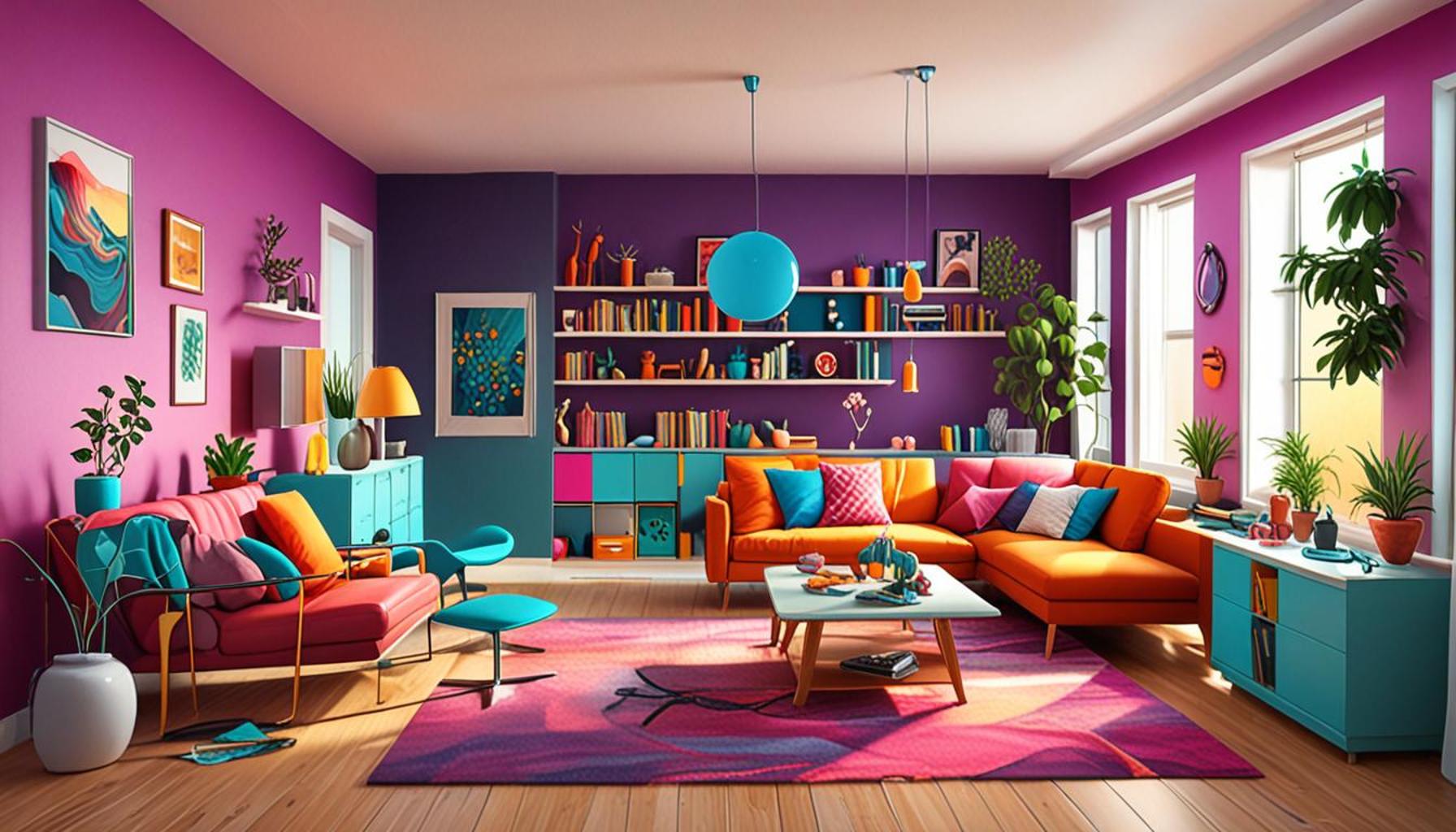
Furthermore, purposefully designing shared areas such as living rooms or dining spaces encourages family interactions. Open floor plans, comfortable seating arrangements, and inviting decor can transform a house into a community hub, allowing family members to connect over shared meals or leisure activities.
Ultimately, a well-managed space reflects and nurtures the dynamics of relationships. As we explore the various strategies for optimizing our living environments, we can uncover how intentional adjustments can create spaces that promote not just health, but deeper connections among us.
| Advantages | Impact on Relationships |
|---|---|
| Less Clutter | Reduces stress and creates a more harmonious environment. |
| Increased Natural Light | Enhances mood and fosters better communication among family members. |
| Designated Shared Spaces | Encourages quality time and strengthens family bonds. |
By recognizing the importance of space in shaping our interactions, we can embark on a journey towards healthier, more connected relationships in our own living spaces.
SEE ALSO: Click here to read another article
Creating Spaces for Connection and Well-being
In addition to the structural aspects of space management, the psychological impact of our living environments cannot be overlooked. The design of a home has a profound influence on mental health and interpersonal dynamics. For instance, incorporating elements that encourage mindfulness can enhance emotional well-being. Simple practices, such as having a dedicated meditation corner enriched with plants or soft lighting, can provide a sanctuary for family members to unwind, reflect, and rejuvenate. This dedicated time for oneself can ultimately lead to improved interactions with others.
Moreover, the presence of communal areas designed for activities promotes connection through shared interests and goals. A well-organized family room, equipped with resources for various hobbies—be it books, games, or art supplies—encourages family members to come together and engage in meaningful activities. Such interactions not only foster creativity but can also lead to deeper conversations and strengthened emotional bonds. In many Nigerian households, traditional games like Ludu or Draft, when accompanied by comfortable seating in an inviting setting, become a powerful tool for engagement.
Technology also plays a crucial role in modern space management. With the rise of smart homes, innovative design solutions can enhance connectivity among family members. For instance, integrating smart devices in shared living spaces, such as voice-activated speakers or connected screens, can facilitate seamless communication and shared entertainment experiences. However, it is essential to strike a balance; while technology connects us in unprecedented ways, dedicating tech-free zones can encourage genuine interaction and foster healthier relationships. Establishing a family rule to turn off devices during meals or conversations can ignite deeper connections, allowing for uninterrupted dialogue and bonding time.
Outdoor spaces also present opportunities for strengthening family ties. Gardens, balconies, or terraces can serve as extensions of the living area, offering a breath of fresh air while providing rooms for outdoor activities and gatherings. Activities such as cooking barbecues, gardening, or simply relaxing together under the Nigerian sky can enhance family unity and encourage a sense of community. The physical act of collaborating on gardening projects, for instance, not only provides hands-on experience but also paves the way for discussions about nature, sustainability, and responsibility.
Additionally, the psychological aspect of personalization in space management cannot be overlooked. By allowing family members to imprint their personality within shared areas—whether it be through family photos, their favorite colors, or personal mementos—individuals feel a strong sense of belonging and commitment to the collective living space. This personalization fosters pride and accountability, leading members to contribute positively to maintaining a harmonious home environment.
Integrating all these elements—mindfulness, shared spaces for activities, technology balance, outdoor areas, and personalization—creates a comprehensive approach to space management that fosters healthier relationships. As families in Nigeria strive for connection in a rapidly urbanizing world, thoughtful design can play a pivotal role in promoting mindfulness, encouraging communication, and ultimately, facilitating deeper relationships within the household.
SEE ALSO: Click here to read another article
Conclusion: The Art of Thoughtful Living
In a world where the dynamics of relationships continuously evolve, the significance of space management in cultivating healthier and more connected bonds cannot be overstated. By understanding the vital relationship between our living spaces and emotional well-being, families in Nigeria can harness the power of their environments to foster deeper connections.
The comprehensive approach to creating symbiotic spaces—incorporating mindfulness, communal activities, balanced technology use, enriching outdoor areas, and personalized decor—encourages communication and collaboration among family members. Such thoughtful design transforms mere structures into nurturing sanctuaries where relationships can flourish. For instance, the simple act of gathering in a well-arranged family room or breaking bread together at the dining table can ignite conversations that teach, comfort, and inspire.
As urbanization continues to reshape Nigerian households, it becomes increasingly important to prioritize space management strategies that uplift both mental health and community ties. Whether revamping a small apartment or enhancing a spacious family home, the intention behind the arrangement can lead to profound changes in interpersonal dynamics. Families are encouraged to view their living spaces as opportunities for interaction, creativity, and expression of individuality.
Ultimately, by embracing the art of thoughtful living, families can not only nurture their relationships but also contribute to their overall health and happiness. As we continue to adapt to the demands of modern life, let us remember that every corner of our home can be a catalyst for connection, fostering resilience in our relationships and experiences. Space management is far more than an organizational task; it is an essential component of creating loving and supportive environments that thrive amidst life’s many challenges.