
Learning Spaces: The Importance of Space Management in Minimalist Educational Environments
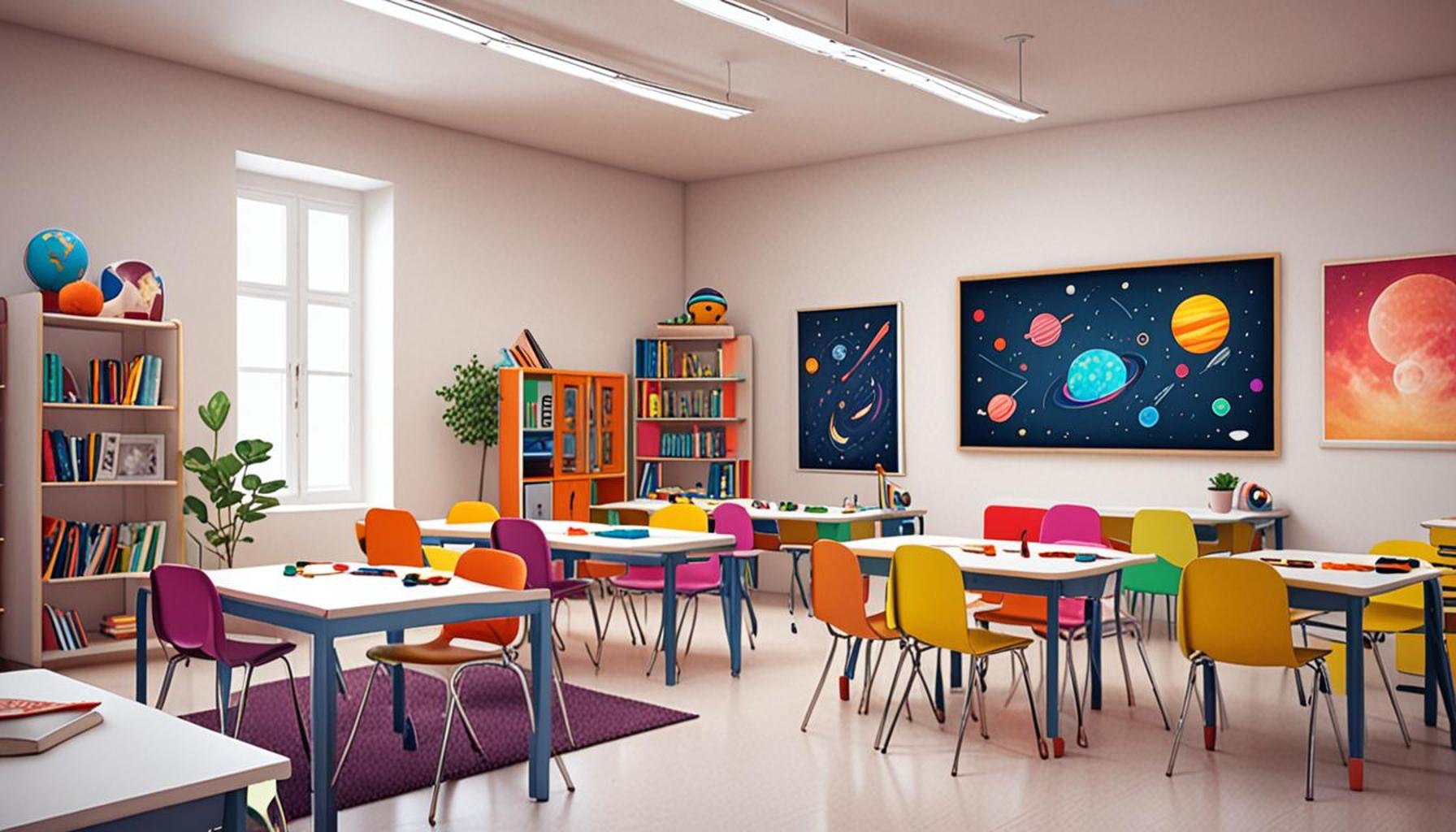
The Importance of Minimalist Design in Educational Spaces
As educators and institutions seek effective methods to engage students and improve learning outcomes, the concept of minimalist educational environments has emerged as a revolutionary approach. This strategy goes beyond merely decluttering physical spaces; it focuses on creating environments that are conducive to learning through careful design and management of space. In a context like Nigeria, where educational resources can be strained, understanding how to maximize these minimalist principles can have profound effects on student performance and well-being.
Key Features of Minimalist Educational Environments
At the heart of minimalist educational spaces are several key features that contribute to a conducive learning atmosphere:
- Flexible arrangements: Classrooms designed with movable furniture allow for various teaching methodologies. For instance, during group projects, desks can be reconfigured into clusters, nurturing collaboration among students. Conversely, during lectures, the same space can be arranged for a more traditional setup. This adaptability is particularly beneficial in Nigeria’s diverse educational context, accommodating different learning styles without the need for extensive renovations.
- Natural light: Research has shown that natural lighting significantly impacts students’ moods and attention spans. Classrooms with large windows or skylights can help to create an uplifting and energizing environment. In Nigerian schools, especially in urban areas where buildings may close off natural light, integrating such elements could dramatically transform the learning experience for many students.
- Minimal distractions: Reducing clutter and unnecessary displays can help students maintain focus. By ensuring that classrooms emphasize essential learning materials, educators can create an environment where students are less likely to be sidetracked. This principle is especially important in larger classrooms found in Nigerian schools, where distractions can stem from excessive noise and visual clutter.
The Impact on Educational Outcomes
Implementing minimalist principles in educational spaces can lead to numerous positive outcomes in a Nigerian context. For one, improved student collaboration often arises from flexible arrangements, encouraging teamwork and peer-to-peer interaction that are crucial for developing communication skills. Furthermore, when teachers have a well-organized space, their effectiveness in lesson delivery can greatly increase, allowing for innovative ways to engage with students and deliver content. With more nurturing environments, educational facilities can focus on the emotional well-being of students, thereby fostering resilience and academic success.
To fully embrace these minimalist principles, educators and policymakers must engage in open dialogue about best practices. By considering local cultural contexts and specific educational challenges, tailored approaches can emerge, leading to inspiring learning experiences. The future of education in Nigeria could significantly benefit from such transformations; as classrooms evolve, they can captivate students’ imaginations, allowing them to thrive within an atmosphere of creativity and discovery.
CHECK OUT: Click here to explore more

Creating Effective Learning Experiences through Space Management
Understanding the pivotal role of space management in minimalist educational environments can dramatically influence how students interact with their learning surroundings. In Nigeria, where classrooms can be crowded and resources limited, the way space is utilized becomes increasingly vital. The essence of minimalist design encourages the thoughtful arrangement of furniture, materials, and resources to foster an atmosphere ripe for learning.
One critical aspect of space management is the concept of zoning within classrooms. By creating designated areas for different activities such as reading, group work, and quiet reflection, educators can promote varied learning styles while enhancing focus. For instance:
- Reading Nook: A dedicated corner with comfortable seating and access to books can encourage recreational reading among students, turning reading from a chore into an enjoyable activity.
- Collaboration Zone: A section with group tables and writeable surfaces can foster teamwork during project-based learning, making collaboration inherently easier without the need for physical transitions.
- Quiet Space: An area specifically designed for solo study or meditation can cater to individual needs, offering students a sanctuary to recharge when overwhelmed by classroom dynamics.
This principle of zoning supports the innate tendencies of students to seek out specific environments conducive to particular tasks. By carefully managing how space is divided and allocated, educators can tap into students’ preferences, making learning experiences more relevant and engaging.
Furthermore, when implementing minimalist designs, resource optimization becomes essential. Schools often face the challenge of limited funding and materials, making it crucial to utilize every element effectively. Iconic Nigerian schools like the Ansar-Ud-Deen Comprehensive School have taken innovative strides in managing educational resources. They often repurpose existing furniture or incorporate local artisans’ work to create multifunctional spaces that cater to varied educational needs. This approach not only emphasizes sustainability but also reflects a deep respect for local culture.
Moreover, the integration of technology within minimalist spaces cannot be overlooked. For instance, the proliferation of tablets and other digital resources has the potential to minimize physical clutter while providing access to a wealth of information. Teachers can encourage students to engage with multimedia content and digital collaboration tools that can thrive in well-designed, organized spaces.
In a landscape marked by rapid urbanization and limited infrastructure, understanding the intricacies of space management can lead to transformative educational outcomes. A focused effort on crafting minimalist educational environments allows Nigerian schools to rise to the challenge, offering powerful solutions to overcoming traditional learning barriers.
| Advantage | Description |
|---|---|
| Enhanced Focus | A minimalist environment reduces distractions, facilitating deeper concentration and enhanced learning outcomes. |
| Maximized Flexibility | Strategically managed spaces allow for quick adaptations in learning activities, promoting innovative teaching approaches. |
Implementing minimalist educational environments emphasizes the significance of clear, organized spaces. These spaces not only facilitate learning but also inspire creative thinking. The design fosters a unique atmosphere where students feel more connected to their surroundings, leading to intrinsic motivation.The integration of space management strategies within education ensures that each environment is tailored to meet the needs of diverse learners. Classrooms can transform into collaborative hubs with less clutter and more open areas, urging participants to engage in meaningful discussions.Moreover, the importance of space management cannot be understated; it plays a pivotal role in enhancing both student and teacher efficacy. Learning environments that are well-organized enhance instructional time and allow educators to focus on delivering impactful lessons rather than managing chaos. Exploring the multitude of ways space can be utilized effectively leads to a richer educational experience for all.
ADDITIONAL INSIGHTS: Expand your understanding here
Enhancing Creativity and Engagement through Thoughtful Design
As the educational landscape continues to shift, space management emerges as a conduit for fostering creativity and engagement within minimalist environments. In Nigeria, where traditional classrooms often constrain innovation, reimagining how spaces are structured can unlock a world of opportunities for both teachers and students. Each detail, from color schemes to seating arrangements, can contribute to a more inspiring learning atmosphere.
One effective approach is incorporating flexible seating arrangements. Rather than adhering to fixed rows of desks, schools can offer a variety of seating options, including bean bags, standing desks, and floor cushions. This versatility allows students to select where they feel most comfortable and productive, which is especially significant in a setting where diverse learning styles coexist. Reports from schools adopting such strategies highlight increased student engagement, with many pupils expressing greater enthusiasm for collaborative work and participation in class discussions.
- Cooperative Learning Spaces: Featuring movable furniture fosters interaction and cooperation among students. When they have the freedom to rearrange their surroundings, they take ownership of their learning journey, which can stimulate enthusiasm and a sense of community.
- Innovative Display Areas: Creating areas where students can showcase their work promotes pride in their accomplishments and encourages peer feedback. Simple walls can transform into gallery spaces, enhancing motivation and fostering a culture of continuous learning.
Additionally, the utilization of natural light and biophilic design principles can transform the ambiance of a minimalist classroom. Strategic placement of windows and plants can significantly improve mood and increase focus by connecting students with nature. Studies show that exposure to natural elements can enhance cognitive functioning, contribute to greater well-being, and lower stress levels. Schools in Nigeria, particularly those in urban areas, can integrate vertical gardens or indoor plants to create inviting spaces that nurture an emotional connection to the environment.
Community Involvement and Cultural Relevance
Engaging the local community in the design process can yield profound benefits for space management. By consulting parents, local artisans, and community leaders, schools can ensure that the minimalist spaces reflect the cultural context in which they exist. This localized approach can manifest through incorporating artwork or functional designs inspired by Nigerian culture, creating a sense of pride and ownership among the students. The Tien Jiu Foundation, for example, has spearheaded initiatives that encourage community participation in educational spaces, resulting in designs that resonate deeply with both students and families.
Moreover, minimalist environments lend themselves well to differentiated instruction. Teachers are better equipped to cater to varying academic levels and personal interests when space allows for diverse learning stations. Rather than a traditional one-size-fits-all model, educators can develop tailored experiences that challenge and inspire each student. These targeted learning opportunities transform passive recipients of knowledge into engaged, active learners with a true sense of individuality.
The sacred marriage of design, community, and pedagogy creates a thriving learning ecosystem. By utilizing space management strategies more effectively, schools can elevate educational experiences, allowing students in Nigeria to flourish in environments that both challenge and support their aspirations. As educators and administrators continue to explore these methodologies, the results could lead to an enriching path for innovative learning within minimalist frameworks.
YOU MAY ALSO LIKE: Read read another article
Conclusion: The Future of Learning in Nigeria’s Educational Spaces
In an era where the traditional educational paradigms are increasingly being challenged, the role of space management in minimalist educational environments emerges as a pivotal factor in shaping student experiences. The insights gained from reimagining classroom structures indicate that when schools invest in thoughtful design—encompassing dynamic seating options, natural elements, and cooperative learning spaces—students not only thrive academically but also develop a profound sense of belonging and community.
The integration of local culture and community involvement into the design of these spaces is equally critical. By fostering a learning environment that mirrors the cultural identities of students, schools can cultivate an atmosphere of pride and ownership that encourages active participation. As seen with initiatives such as those led by the Tien Jiu Foundation, community collaboration has the potential to transform educational spaces into vibrant centers of creativity, engagement, and cultural expression.
Furthermore, by embracing differentiated instruction practices within these environments, educators in Nigeria can address the diverse needs of learners more effectively. This individualized approach not only enhances academic performance but also nurtures the unique strengths of each student, allowing them to flourish in their educational journey.
As we look to the future, the necessity for progressive space management strategies in minimalist educational settings becomes unequivocal. By prioritizing thoughtful design and community engagement, schools can pioneer a new wave of educational experiences that prepare students to face the complexities of the modern world. Ultimately, it is through these innovations that Nigeria can build a more informed, inspired, and empowered generation of learners.