Decluttering and the Influence of Local Culture: Adapting Organizational Techniques to the Nigerian Lifestyle
Understanding the Cultural Influence on Decluttering
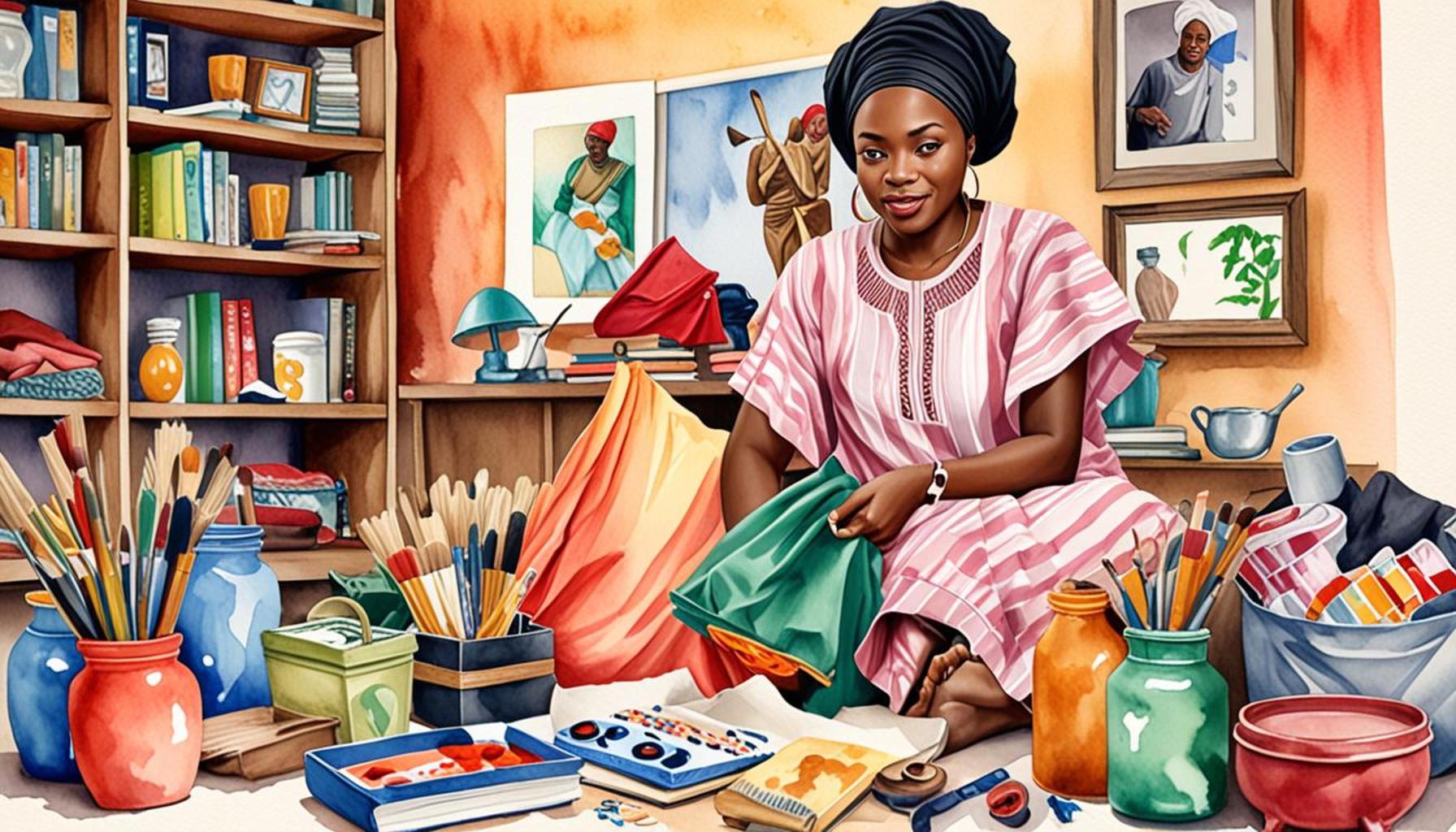
In Nigeria, the art of decluttering embodies far more than mere tidiness; it reflects a rich tapestry of traditional practices, communal values, and unique lifestyle experiences. The struggle to maintain a clutter-free environment while embracing the lively spirit of Nigerian life presents both challenges and opportunities for innovative organizational tactics tailored to local sensibilities.
Community-Centered Living
A key aspect of Nigerian culture is its community-centered living. Homes often double as gathering spaces for family and friends, especially during celebrations and important events. This makes the concept of decluttering more complex; the need to accommodate guests can lead to an accumulation of items that may not fit neatly into the conventional organization strategies. For instance, during large family gatherings or community events, it’s common for homes to be filled with food, decorations, and even furniture rearrangements, which can create temporary clutter. After the festivities, many households find themselves grappling with the remnants of these gatherings, necessitating efficient, culturally resonant decluttering methods.
Innovative Storage Solutions
In response to these challenges, many Nigerians harness local materials and traditional crafts to create practical storage options. Handwoven baskets, for example, are not only aesthetically pleasing but also functional, helping to neatly store items without compromising space. Artisans known for their craftsmanship use indigenous resources to develop unique storage solutions, blending utility with deep cultural significance. Another example is the use of locally sourced wooden chests, which can serve as both furniture and storage, allowing families to keep their living spaces uncluttered while preserving heirlooms that carry sentimental value.
Sentimental Attachments
The sentimental attachments that many Nigerians have to household items further complicate the process of decluttering. Many possessions tell a story, whether they are gifts from loved ones or family relics passed down through generations. This emotional significance makes it difficult to let go of items that, while not frequently used, hold important memories and values. Effective decluttering strategies in Nigeria often involve thoughtful reflection on which items contribute meaningfully to one’s life, rather than simply purging possessions deemed unnecessary.
Adapting to Market Culture
The vibrant market culture in Nigeria also impacts the accumulation of goods in households. Frequent trips to local markets can lead to an influx of items ranging from food to textiles. As a consequence, implementing effective decluttering strategies becomes vital, especially for those living in urban areas where space is at a premium. Regularly scheduled decluttering sessions can help manage this accumulation, allowing residents to stay organized amidst the hustle and bustle of daily life.
Varied Living Spaces
Additionally, Nigeria encompasses a diverse array of living spaces, from bustling urban apartments in Lagos to traditional compounds in the countryside. Each environment presents its own set of organizational challenges and opportunities. Urban dwellers often face tight living conditions that require creative use of space, while residents in rural areas may have more room to store items but contend with different cultural practices regarding possessions. This diversity calls for tailored organizational techniques that are mindful of specific lifestyle contexts.
Ultimately, as Nigerians navigate the delicate balance between maintaining a clutter-free home and embracing the full spectrum of their rich cultural heritage, the fusion of tradition and modern organizational strategies offers an insightful lens through which to view the art of decluttering. This exploration not only sheds light on effective methods but also reflects deeply ingrained values and communal experiences that shape everyday life in Nigeria.
YOU MAY ALSO LIKE: Read read another article
Cultural Practices and Their Impact on Decluttering
Decluttering in Nigeria goes beyond the concept of simply creating a tidy space; it is a reflection of cultural practices that shape daily living. The Nigerian lifestyle, rich in customs and traditions, presents unique challenges and methods when it comes to organizing one’s home. To fully understand this dynamic, it is essential to explore how local practices, values, and daily routines influence the approach to decluttering.
Celebrating Life Events
In many Nigerian households, the anticipation of significant life events—weddings, naming ceremonies, or even communal festivals—often leads to a surge of accumulating items. These occasions require families to be prepared for large numbers of guests, prompting the purchase of new furnishings, clothing, and decorations. Consequently, after the festivities, households may struggle with excess possessions that linger long after the celebrations have ended. Adapting organizational techniques for this context could involve:
- Post-Event Purging: Scheduling time for families to evaluate and donate or discard items that are no longer needed.
- Rental Solutions: Utilizing rental services for party supplies or decorations that can be returned after use, minimizing accumulation.
- Multi-Functionality: Investing in items that can serve dual purposes, thereby reducing the number of objects owned.
Generational Homes and Collective Memory
Nigerian society places a premium on intergenerational living, where multiple generations often reside under one roof. This arrangement can lead to the accumulation of heirlooms and historical artifacts that celebrate familial legacies. While these items possess deep sentimental value, they can also contribute to clutter if not managed properly. Hence, an effective decluttering strategy would involve:
- Storytelling Sessions: Taking time to share the history of these items, which may help discern what deserves to be retained based on its significance.
- Seasonal Rotations: Implementing a system where certain items are displayed for specific periods, decreasing clutter while allowing appreciation of history.
- Curated Displays: Creating designated spaces that showcase selected heirlooms, providing both organization and reverence.
Urban Vs. Rural Dynamics
The urban-rural divide in Nigeria plays a critical role in how decluttering is approached. In urban areas like Lagos, where space is often limited, individuals are compelled to innovate—utilizing vertical storage solutions, multifunctional furniture, and even utilizing technology apps to track their belongings. Conversely, rural households might have more physical space, but they engage in different forms of accumulation related to agricultural life and traditional practices. Considered strategies for these contrasting settings can include:
- Urban Strategies</: Emphasizing minimalism, where every item has a purpose, thereby maximizing the utility of smaller spaces.
- Rural Strategies: Encouraging the use of outdoor storage for seasonal items or surplus goods, thus keeping living areas more organized.
In summary, as Nigerian households navigate the complex intersection of decluttering and cultural practices, there emerges an opportunity to adapt organizational techniques that resonate with local lifestyles. These methods not only streamline living spaces but also honor the rich heritage that every item represents. The journey towards a more organized home reflects both the individual and communal spirit that is quintessentially Nigerian.
Creating an effective organizational system that resonates with the Nigerian lifestyle requires a deep understanding of local customs and practices. In Nigeria, where familial ties and community connections are paramount, decluttering can extend beyond mere physical organization; it involves a cultural shift that honors these relationships.One significant aspect of Nigerian culture is the communal approach to ownership and sharing. In urban settings, it’s common for families to share living spaces and resources, which can lead to a build-up of items from various family members. Understanding this sentiment can motivate individuals to incorporate communal decluttering sessions, where family or friends gather to sort through belongings together. This practice not only promotes teamwork but also strengthens social bonds, making the decluttering process more meaningful and enjoyable.Moreover, traditional Nigerian values often emphasize the importance of keeping items that bear sentimental value. This cultural characteristic can complicate the decluttering process. Therefore, adapting organizational techniques would involve finding a balance between maintaining cherished possessions and achieving a simplified living space. Utilizing organizational tools inspired by local craft and artistry can help to create beautiful, practical solutions for storage that do not compromise the cultural significance of the items to be preserved.In addition, local markets can serve as excellent sources for eco-friendly storage solutions that not only cater to individual needs but also encourage the use of sustainable materials. Rattan baskets, woven mats, or even locally produced wooden boxes can offer both functional and aesthetic benefits. By integrating these items into organizational practices, individuals are encouraged to embrace a lifestyle that is not only organized but also rooted in their rich cultural heritage.In essence, adapting organizational techniques to fit the Nigerian lifestyle involves a blend of modern decluttering strategies and traditional values. This creates an environment where individuals can thrive amid order while preserving their cultural identity. Embracing this approach not only simplifies physical spaces but also enhances overall emotional well-being, making it a profound journey of self-discovery and respect for local culture.
LEARN MORE: This related article may interest you
Social Expectations and Community Influence
In Nigeria, societal values and social expectations significantly inform the way people approach decluttering. The communal aspect of life, where neighbors and extended family often play an influential role, can add another layer of complexity to organizing spaces. The pressure to maintain an inviting home for guests, while also catering to community norms, can lead to an abundance of items that may not necessarily serve the home’s occupants. To navigate this cultural landscape, some effective organizational techniques include:
- Community Sharing: Creating webs of shared household items such as kitchen utensils and furniture. Establishing a system of exchanges can reduce unnecessary accumulation while fostering stronger community ties.
- Visible Storage Solutions: Utilizing aesthetically pleasing storage options that serve a dual purpose—functionality and decoration—can help promote a sense of pride while minimizing clutter.
- Hosting Collective Clean-Up Days: Encouraging neighborhood members to come together for decluttering drives, where participants can support one another in parting with unnecessary belongings.
Religious Influences on Decluttering
In a nation where religious practices play a pivotal role, the concept of decluttering often intersects with spirituality. Many Nigerians believe that a clean and organized environment promotes spiritual well-being and peace. Consequently, adopting decluttering practices that align with these beliefs can be both practical and meaningful. Some applicable strategies include:
- Spiritual Cleansing Rituals: Integrating rituals such as prayers or blessings when decluttering can transform the task into a holistic experience, enhancing the emotional connection to the space.
- Gratitude Practices: Encouraging individuals to express gratitude for items before letting go can ease the emotional struggle associated with decluttering, making the process more fulfilling.
- Seasonal Cleanliness: Participating in community religious events that involve cleaning public spaces can inspire individuals to adopt similar practices within their homes.
Influence of Technology and Local Innovations
In an increasingly digital world, the role of technology in decluttering cannot be overstated. Nigerian tech-savvy individuals are utilizing innovative solutions that cater specifically to their cultural context. From smartphone apps that assist in inventory management to social media platforms that facilitate swaps and giveaways, the possibilities are expanding. Effective approaches include:
- Inventory Apps: Utilizing local apps designed to categorize items and suggest decluttering timelines based on usage can streamline the process.
- Online Marketplaces: Leveraging platforms such as Jiji.ng or Ifeanyis.com for selling second-hand items can help maintain a tidy home while providing financial returns.
- Digital Decluttering Workshops: Attending online workshops tailored to Nigerian lifestyles can provide unique strategies that resonate with local practices while incorporating modern decluttering methods.
As Nigerians continue to navigate the art of decluttering, the interplay of culture, community, and innovation presents an enriching dynamic. The journey toward a more organized home not only reflects individual preferences but also honors the societal foundations that shape everyday living in Nigeria. The methods embraced should extend beyond aesthetics to encompass the values and traditions that are central to the Nigerian lifestyle, reinforcing the idea that decluttering is as much about emotional connection as it is about creating physical space.
ADDITIONAL INSIGHTS: Expand your understanding here
Conclusion
In summary, the intricate relationship between decluttering and local culture significantly shapes how Nigerians organize their spaces. The harmonious blend of communal values, religious beliefs, and modern technology creates a unique landscape that encourages a more thoughtful and culturally resonant approach to organizational techniques. As households embrace community initiatives like collective clean-up days and the practice of sharing resources, they find that decluttering not only elevates their physical environments but also fosters deeper community ties.
Moreover, the incorporation of spiritual elements into the decluttering process—such as spiritual cleansing rituals and gratitude practices—transforms what might otherwise be viewed as a mundane task into an enriching emotional experience. The advent of technology, exemplified through inventory apps and online marketplaces, punctuates this journey, providing innovative solutions tailored to suit the Nigerian context and empowering individuals to maintain order in their living spaces.
Ultimately, the approach to decluttering within Nigeria transcends mere aesthetics; it reflects a profound appreciation for culture, relationships, and the quest for peace of mind. As Nigerians navigate their paths toward organization, the lessons drawn from these cultural intersections can serve as inspirations not only for local inhabitants but also for individuals worldwide who seek to harmonize their living spaces with their values. By addressing both emotional and practical aspects, decluttering emerges as a powerful tool for enhancing both personal well-being and community engagement in the fabric of Nigerian life.