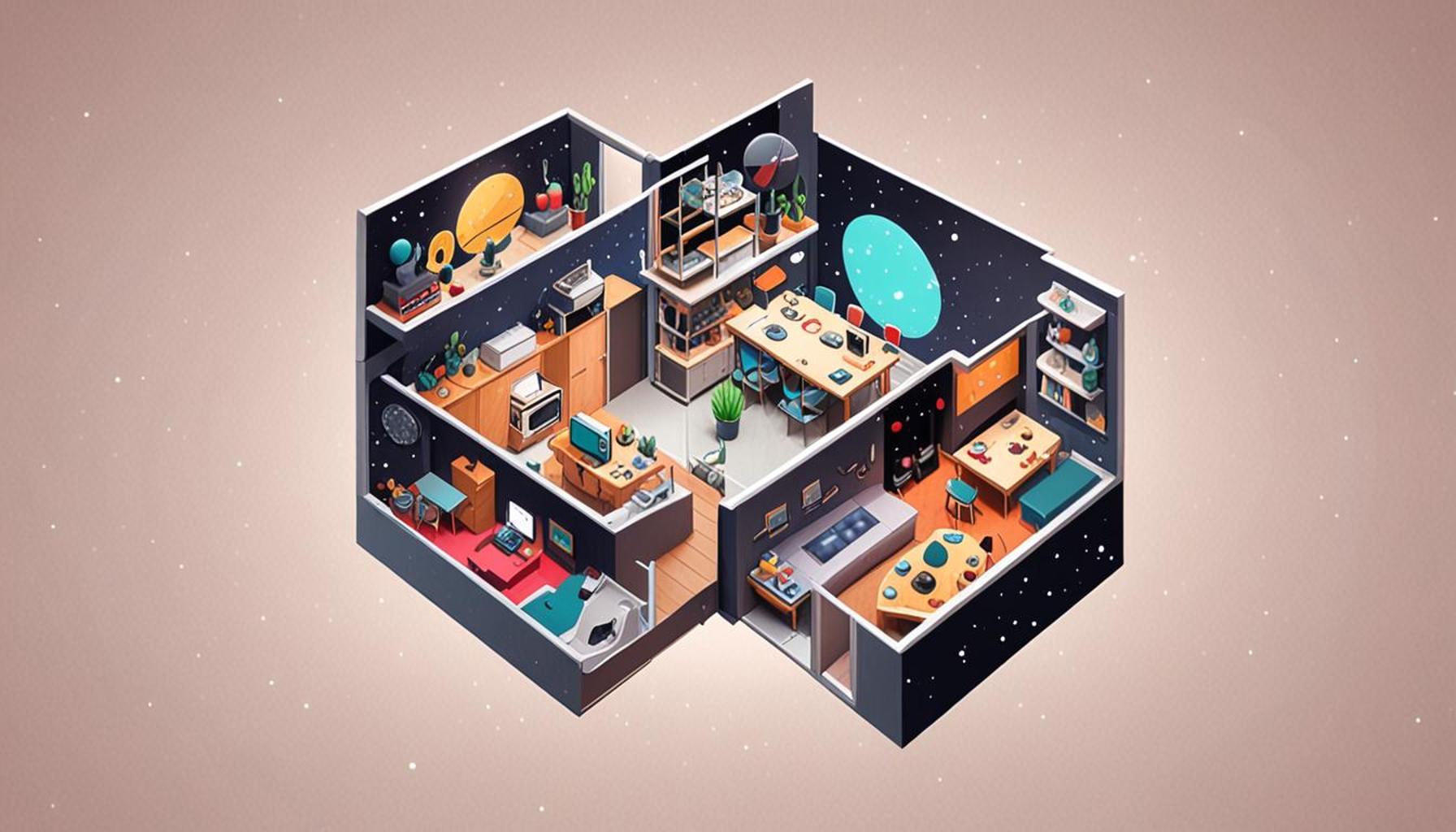
Creating Functional Zones: The Importance of Space Distribution in Minimalist Environments
Understanding Functional Zones in Urban Spaces
The efficient use of space is crucial in today’s fast-paced world, particularly in densely populated areas where minimalism is often a necessity. By implementing the idea of functional zones, individuals can optimize their living arrangements while fostering a peaceful and organized atmosphere.
To fully appreciate the concept of functional zones, it’s essential to delve deeper into its core components. Each zone within a space is meticulously designed and allocated for specific activities. This could mean establishing a dedicated work area, a reading nook, or a relaxation corner. The clear definition of these spaces helps in minimizing distractions, which ultimately enhances focus and productivity.
Critical Aspects of Functional Zones
Consider the following significant aspects that underline the importance of strategic space distribution:
- Definition of Functional Zones: Each zone serves distinct purposes; for instance, cooking zones in kitchens separate from work zones in living rooms.
- Benefits: The clear organization of space can lead to improved mental clarity. For example, establishing a separate area for meditation can foster relaxation and mental well-being.
- Adaptability: The layout can be flexible, allowing for adjustments as needs change. This is particularly relevant in urban environments where living circumstances might alter due to changes in family size or lifestyle.
Take Nigeria, for example, where urban center living often translates into compact homes. In Lagos, where many reside in cozy apartments, and Abuja, known for its compact offices, understanding how to create these functional zones can significantly enhance one’s quality of life. This is more than just aesthetics; it’s about curating an environment that promotes a balanced lifestyle amid the chaos of city life.
Exploring various design principles can uncover innovative strategies for creating functional zones. For instance, using furniture that serves multiple purposes, like a sofa bed or an ottoman with storage, can help free up space while maintaining function. Furthermore, using dividers, such as curtains or bookshelves, can visually separate areas without the need for permanent walls, contributing to an airy, open feel even in smaller spaces.

As urban living continues to evolve, the importance of adopting a thoughtful approach to space allocation cannot be overstated. Exploring and establishing these functional zones not only leads to more organized spaces but also encourages a more meaningful and fulfilling life. Join us in discovering further insights into the world of functional design, where each corner of your home can flourish with purpose and clarity.
ADDITIONAL INSIGHTS: Expand your understanding here
Design Principles for Effective Functional Zones
When delving into the realm of functional zones, it’s essential to recognize the intersection of design principles and practical application. Space distribution isn’t merely a matter of aesthetics; it is about creating an environment that supports diverse lifestyles, especially in the context of urban centers like Lagos and Abuja. In these bustling cities, where extensive land might be a luxury, efficient use of every square meter transforms living conditions into something more manageable and beneficial.
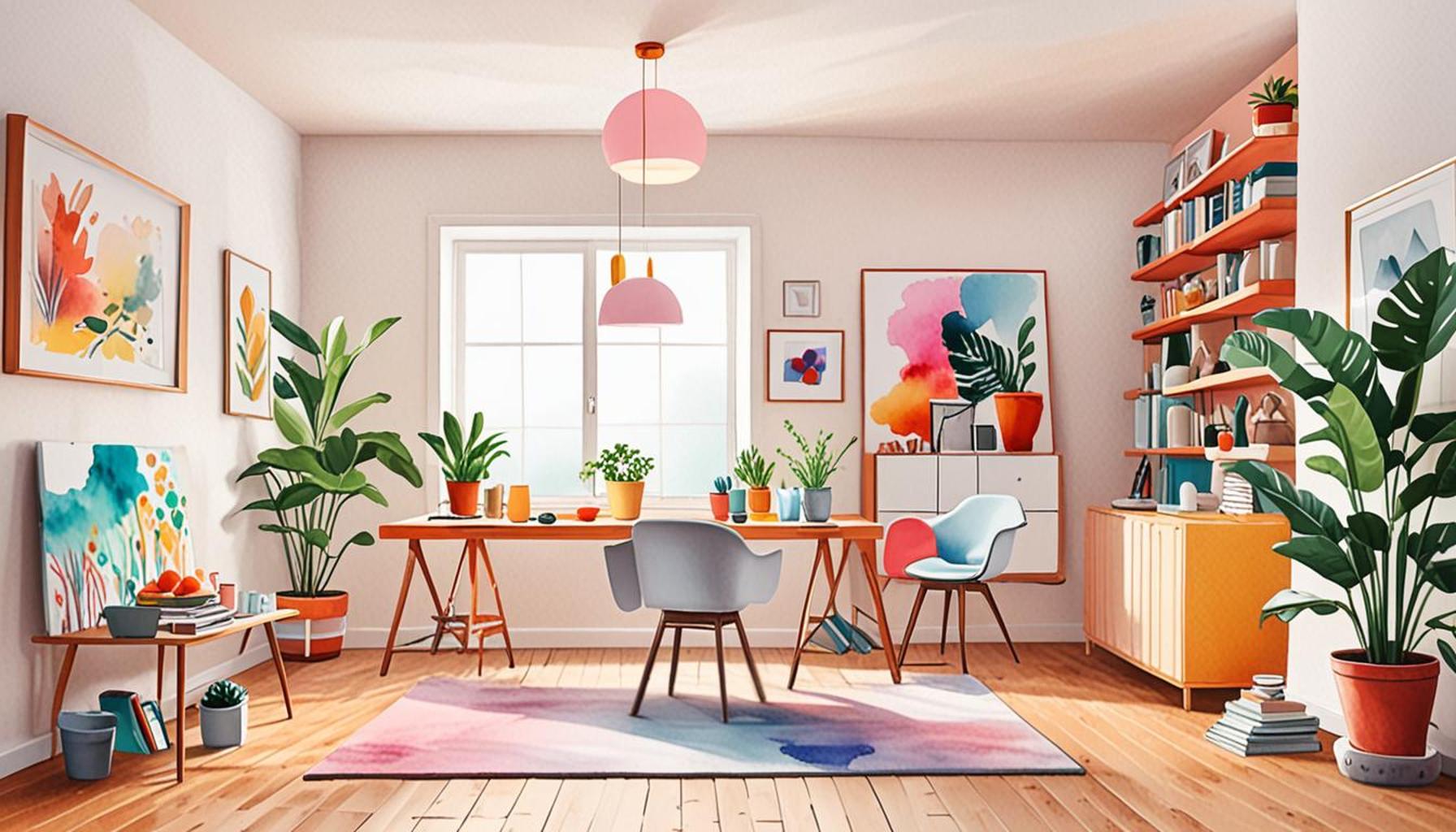
At the heart of maximizing space in minimalist environments is the use of versatile furniture—a game changer in creating functional zones. For instance, a foldable dining table can double as a workspace, allowing residents to shift from mealtime to productivity seamlessly. Similar innovations, such as nesting tables or convertible sofas, demonstrate how furniture choice can dramatically alter the dynamics of a living space. The key is to select items that not only serve multiple functions but also blend well with the overall design ethos, contributing to a sense of cohesion.
Innovative Strategies for Space Optimization
Employing innovative strategies can greatly enhance the definition and usability of functional zones. Here are some key considerations:
- Multi-Functional Furniture: Look for furniture that can serve different purposes—think storage beds or benches that can also be used as seating during gatherings.
- Visual Dividers: Instead of permanent partitions, consider using bookshelves, curtains, or plants that provide a sense of separation while maintaining an open feel.
- Vertical Space Utilization: In an environment where floor space is limited, making use of wall-mounted shelves or cabinets can liberate the ground area, creating an illusion of larger spaces.
- Defined Flow: The way people move through a space can significantly affect functionality. Creating clear pathways between zones not only enhances accessibility but also minimizes clutter and confusion.
The significance of these principles becomes evident in Nigerian urban life, where many residents find themselves managing dualities within small living quarters, like working from home while nurturing family connections. Strategic space distribution and thoughtful designs can genuinely change the narrative of how these households function day-to-day.
Incorporating these strategies cultivates not just spaces, but also a lifestyle that harmonizes personal, professional, and recreational needs. As we continue to explore the myriad opportunities for designing functional zones, it’s vital to recognize that a well-structured living environment can yield benefits beyond mere convenience; it can bolster mental clarity, inspire creativity, and ultimately enhance overall well-being.
The Art of Functional Zones
In the domain of minimalist environments, the concept of functional zones emerges as a pivotal strategy for both aesthetic appeal and practical usability. By delineating spaces for specific activities—be it for relaxation, work, or social interactions—individuals can create a harmonious balance between form and function. This strategic placement not only enhances the user’s experience but also brings a level of organization that can significantly reduce clutter, both visually and physically.
Understanding Space Distribution
Effective use of space in minimalist design emphasizes the distribution of functional areas. For instance, integrating multi-use furniture allows for seamless transitions between zones. This adaptability can lead to improved productivity, as spaces that serve multiple purposes eliminate the need for unnecessary items that could clutter your environment. Establishing these zones also cultivates a sense of belonging, making individuals feel more connected to their surroundings.
Collaborative vs. Personal Space
It’s essential to distinguish between collaborative zones and personal retreats. In a minimalist layout, open spaces encourage interaction, while designated quiet areas provide solace for focused tasks. This careful balancing act allows for an environment conducive to both cooperation and concentration, essential for both work-from-home professionals and family dynamics. Areas purposely designed for specific functions help to allocate mental resources efficiently, empowering individuals to switch between tasks without overwhelming stress.
Maximizing Natural Light
Furthermore, consideration of natural light in functional zone creation cannot be overstated. Positioning workspaces near windows not only enhances productivity but also boosts mood and well-being. The influx of light makes the space feel more expansive and can improve the overall ambiance of the environment. Selecting light, neutral color palettes for walls and furnishings complements this effect, adding to the tranquility that minimalism aims to achieve.
Ultimately, the thoughtful design of functional zones plays a critical role in cultivating a well-balanced minimalist space. Aiming for clarity and purpose within every area transitions the environment into an oasis that promotes wellness and efficiency.
| Category | Advantages |
|---|---|
| Effective Space Utilization | Optimizes workflow and enhances usability. |
| Visual Clarity | Provides organized structure, reducing distractions. |
| Enhanced Environment | Fosters creativity and boosts well-being through thoughtful design. |
ADDITIONAL INSIGHTS: Expand your understanding here
Encouraging Cohesive Living Through Deliberate Space Planning
Creating functional zones within minimalist environments requires not only innovative furnishing but also a deep understanding of how these spaces interact with the individuals who inhabit them. This is particularly crucial in densely populated areas in Nigeria, where family dynamics often necessitate a blend of communal and private spaces in limited square footage. By carefully planning space allocation, homeowners can achieve a balance that fosters relationships while providing personal retreat.
Consider the unique challenges faced by families living in compact apartments in cities like Lagos. Relatively small living areas can make it difficult to accommodate everyone’s needs, particularly when it comes to working from home, entertaining guests, or enjoying some peace and solitude. Effective space distribution allows each of these functional zones to exist harmoniously, promoting a sense of community without sacrificing individual comfort.
Creative Approaches to Ambient Zoning
Investing in ambient zoning—the practice of subtly defining different areas within a larger space—can enhance the functionality of minimalist environments. This approach does not require significant alterations to existing layouts but instead focuses on the strategic use of elements like color, lighting, and texture to delineate functional areas. For instance:
- Color Coding: Utilizing different color palettes for various zones can create a distinct atmosphere. Warm shades in communal areas may invite togetherness, while cooler tones in personal workspaces promote concentration.
- Lighting Variations: Differentiating light sources can significantly shape the purpose of a space. Dimmable lights in living rooms foster relaxation, while bright, focused lighting enhances productivity in office corners.
- Textural Highlights: Spatial division can also be achieved through varied textures; plush rugs mark relaxation zones, while sleek surfaces in work areas signal functionality.
This method of using ambient conditions to define spaces proves especially effective in multi-generational households that often utilize living areas for both leisure and work. It creates a psychological boundary, allowing family members to transition between their respective roles without demanding physical separation.
Integrating Outdoor Spaces
In addition to reimagining indoor spaces, incorporating outdoor areas can significantly enhance the quality of life in urban environments. In many parts of Nigeria, private balconies or shared gardens provide opportunities for relaxation and social interaction. Effectively utilizing these zones can offer a much-needed escape from the hustle of daily life. For example, creating an outdoor reading nook with benches or planters can serve as a communal gathering spot or a serene retreat for one.
Moreover, optimizing these outdoor functional zones boosts the overall aesthetic appeal of a property, making it not just a home, but also a welcoming environment for friends and family. In densely populated cities, where personal outdoor spaces are limited, utilizing public parks or communal gatherings can also serve to connect individuals and promote a sense of belonging within the community.
Ultimately, the thoughtful distribution of space in minimalistic environments does more than just address functional needs. It cultivates a lifestyle that embraces efficiency while nurturing the relationships that matter most. Creating effective functional zones not only addresses the practicalities of modern urban living in Nigeria but encourages a more fulfilling and sustainable way of life, ensuring each person can thrive within their defined space.
YOU MAY ALSO LIKE: Read read another article
Conclusion: The Path to Harmonious Living Through Thoughtful Space Design
In an increasingly urbanized Nigeria, where space is often at a premium, creating functional zones is no longer a luxury but a necessity. The diligent practice of space distribution not only optimizes limited areas but also resonates deeply with the multifaceted dynamics of family life in cities like Lagos. By incorporating elements such as color, lighting, and texture within smaller living spaces, individuals can cultivate an atmosphere that caters to both communal bonding and personal introspection.
Moreover, the integration of outdoor spaces—whether they are private balconies or shared gardens—opens new avenues for relaxation and social interaction, enriching the fabric of daily life. When these zones are thoughtfully designed, they not only enhance the aesthetic appeal of a residence but also foster a sense of belonging and community, especially in densely populated urban locales.
Ultimately, the strategic distribution of space in minimalist environments embodies a philosophy that embraces efficiency while nurturing personal relationships. As we navigate the challenges of modern urban living, it becomes increasingly clear that the potential for creating a balanced, fulfilling life lies in our ability to design spaces that support our needs. By prioritizing functional zones, we invite a lifestyle that not only addresses practicality but also enriches our experiences, ensuring that we can all thrive in our chosen environments.