
How Space Management Can Facilitate Mobility in Urban Environments: Minimalism in the City
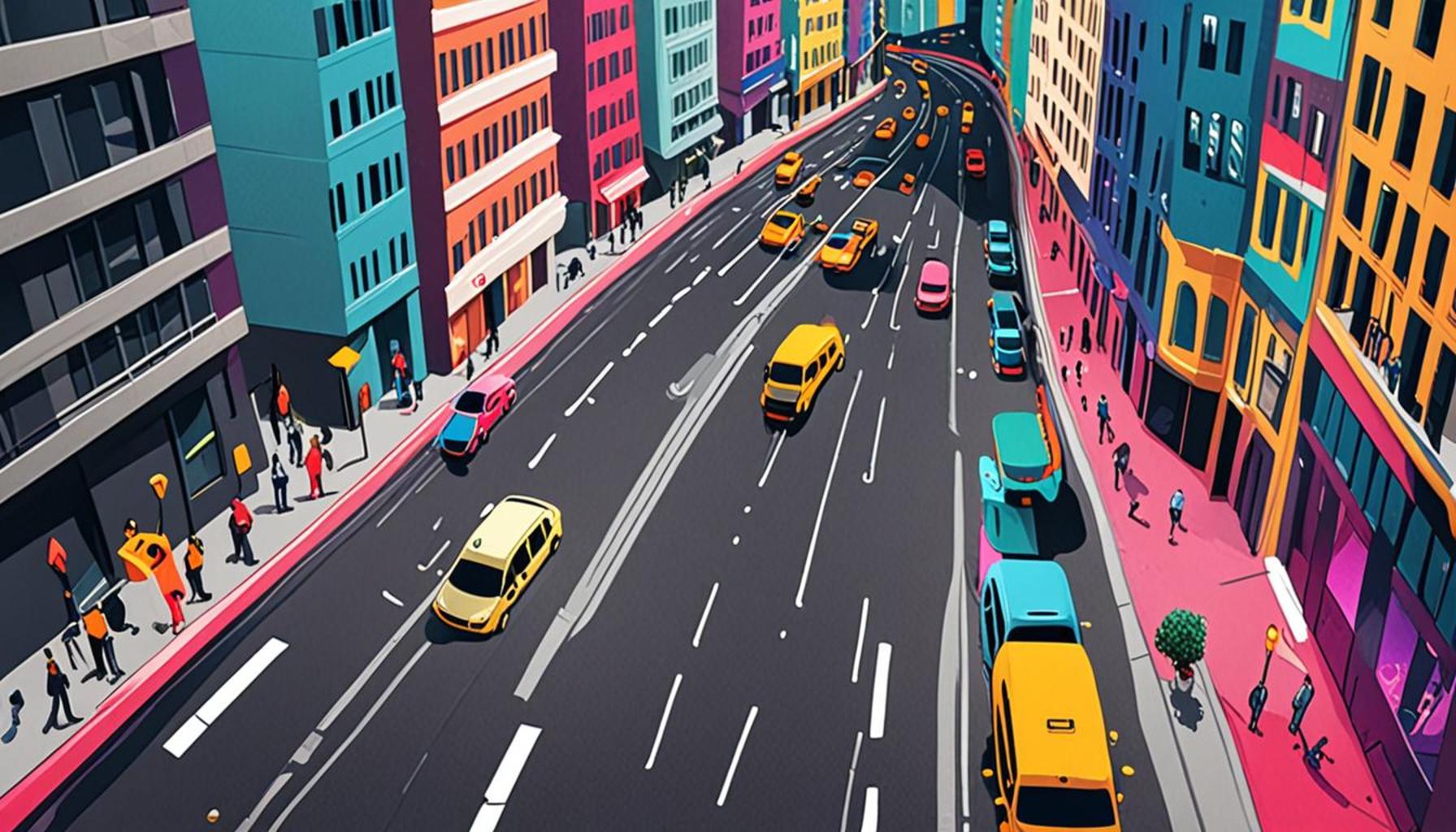
Urban Space Management: A Key to Enhanced Mobility
Urban environments around the world are facing a crippling challenge: managing space effectively to enhance mobility. In cities like Lagos, where congestion can lead to hours lost in traffic, the demand for innovative solutions has never been greater. Space management is emerging as a key player in this landscape, offering a pathway toward a more fluid urban experience. The need for efficient urban planning is especially vital in Nigeria, where cities are rapidly expanding and grappling with outdated infrastructures.
Here are some aspects of how effective space management can reshape mobility:
- Green Spaces: Integrating parks and recreational areas can reduce vehicle use and promote walking and cycling. For instance, cities like Abuja have begun to reclaim land for green areas, which not only beautify urban landscapes but also provide residents with healthy alternatives to driving. This initiative encourages physical activity, thus easing the pressure on public transportation systems.
- Public Transport Accessibility: Designing transit hubs closer to residential areas encourages the use of buses and trains. In Lagos, the introduction of the Bus Rapid Transit (BRT) system aims to minimize travel times and optimize public transport usage. Transitioning towards more extensive rail systems, like the Lagos Rail Mass Transit, is another strategy to enhance connectivity and reduce the reliance on personal vehicles.
- Multi-Functional Areas: Areas that serve various purposes—commercial, residential, and entertainment—minimize the need for extensive travel. Mixed-use developments, which combine living, working, and leisure spaces, have cropped up in cities such as Port Harcourt. This strategy not only increases foot traffic for local businesses but also fosters a sense of community, reducing the need for long commutes.
Minimalism in urban planning can also influence societal behaviors, shifting the focus from ownership to access. This evolution aims to optimize resources, reduce clutter, and create sustainable living environments. For example, initiatives like car-sharing programs and bike rentals are being implemented in various urban centers to enable accessible mobility solutions. Moreover, cities can serve as platforms to explore how space can be liberated, creating an architecture of mobility rather than just infrastructure.
As we explore this topic, we delve into examples from around Nigeria and beyond, revealing the pivotal role space management plays in shaping urban mobility. Studies have shown that cities integrating these concepts experience decreased congestion, improved air quality, and enhanced quality of life for their residents. This journey into the intersection of design and movement invites reflection on the future of cities as they strive for balance. By embracing innovative policies and comprehensive urban planning, Nigerian cities can respond more effectively to the pressing challenges of urbanization.
ADDITIONAL INSIGHTS: Expand your understanding here
Transforming Urban Spaces for Enhanced Mobility
As urban populations continue to swell, effective space management has become a critical strategy for alleviating congestion and facilitating mobility in densely populated areas. One compelling approach is the adoption of minimalism in urban design, which prioritizes the efficient use of space and resources. Nigerian cities, known for their bustle and traffic chaos, stand to benefit significantly from this paradigm shift.
Minimalism advocates for a streamlined approach to city planning, where the emphasis is placed on shared resources and reduced environmental impact. In practical terms, this translates into an urban landscape that prioritizes less dependency on cars while creating an environment conducive to walking, cycling, and public transport. Here are several key strategies involved in this movement:
- Pedestrian-Friendly Infrastructure: Cities can prioritize pedestrian pathways, ensuring that foot traffic is safe and appealing. The development of broad sidewalks and pedestrian zones not only enhances the overall aesthetic but also encourages walking as a primary means of mobility. For instance, the ongoing transformation of roads in Victoria Island, Lagos, showcases efforts to create pedestrian-friendly environments that reduce car usage and improve air quality.
- Flexible Use of Space: Developing adaptable spaces that can serve multiple functions—such as pop-up markets, community gardens, and recreation areas—can help alleviate the pressure of traditional urban infrastructure. In areas like Yaba, the integration of adaptive reuse projects is demonstrating how underutilized spaces can be turned into vibrant community hubs, promoting social interaction and reducing the need for extensive commutes.
- Smart Technology: Incorporating smart technology into urban planning can significantly enhance efficiency. Transportation apps that provide real-time data on public transit and shared mobility options not only empower residents to make informed travel choices but also promote a culture of minimalism. The introduction of ride-sharing apps in cities like Abuja has already begun to reshape transportation habits, offering more flexible alternatives to private vehicle ownership.
It is increasingly evident that adopting a minimalist mindset in urban planning can reshape societal behaviors and pave the way for sustainable mobility solutions. By moving the focus from ownership towards accessibility, cities can create an environment where resources are optimized, clutter is minimized, and a community-centric lifestyle thrives.
In exploring these innovative models, we can glean insights into how Nigerian cities—notably bustling metropolises such as Lagos and Kano—can embrace space management practices. As cities continue to evolve, the implementation of minimalist design principles can unlock a range of possibilities that promote effective mobility, enhance quality of life, and create more livable urban environments.
| Advantage | Description |
|---|---|
| Enhanced Accessibility | Implementing strategic space management creates open pathways, making public transportation and pedestrian mobility more accessible. |
| Efficient Land Use | Minimalism promotes efficient land use, reducing urban sprawl and encouraging mixed-use developments that foster community engagement. |
Effective space management can radically transform the way we perceive urban mobility. Cities often face challenges like traffic congestion, limited public transport options, and a lack of pedestrian-friendly zones. By embracing principles of minimalism, urban planners can reimagine city landscapes to prioritize sustainability and accessibility. Moreover, minimalistic designs often focus on reducing clutter, which in turn increases the aesthetics and usability of space. Such well-planned environments can motivate individuals to opt for walking or cycling over vehicular transport. Citing international examples, cities like Amsterdam and Copenhagen have demonstrated how bicycle-friendly infrastructures can enhance mobility while reflecting minimalistic values. As urban centers look towards the future, understanding the balance between space management and mobility will be key to creating vibrant urban ecosystems.
CHECK OUT: Click here to explore more
Innovative Approaches to Urban Mobility
In cities where space is a premium, effective space management can reshape not just how we move but also how we live. Further exploring the theme of minimalism, we find that urban environments can harness innovative strategies designed to enhance mobility while maintaining a minimalist ethos. By rethinking traditional transit modalities and incorporating cutting-edge designs that foster accessibility, cities like Lagos and Kano can evolve into models of efficiency and sustainability.
Integrated Public Transportation Networks: One of the most significant challenges in urban mobility is the fragmentation of public transport systems. A cohesive public transportation network is essential for reducing dependency on private vehicles. For example, the introduction of Bus Rapid Transit (BRT) systems in Lagos has highlighted the power of dedicated lanes and strategic route planning. Implementing a fully integrated network that includes buses, trams, and water taxis can enhance connectivity while minimizing travel times. As public transport becomes increasingly efficient and reliable, it promotes a culture where fewer people feel the need to own personal vehicles.
Micro-Mobility Solutions: The rise of micro-mobility options, such as electric scooters and bike-sharing programs, illustrates another avenue for encouraging minimalism in mobility. Cities can designate specific lanes for these services, ensuring safe and efficient pathways for users. In Nigeria, start-ups are beginning to experiment with e-scooter rentals in urban hubs like Lagos, providing an environmentally friendly alternative for short distances. These solutions not only reduce the need for car journeys but also alleviate traffic congestion, creating a cleaner, quieter urban atmosphere.
Green Spaces and Urban Design: Implementing green spaces within urban environments not only beautifies cities but also facilitates better mobility. Parks and recreational areas can serve as popular gathering spots and offer vital links between neighborhoods. The creation of green corridors encourages walking and cycling, inviting community members to engage with their surroundings actively. Cities like Ibadan that prioritize the integration of green spaces into their planning can help reverse the urban sprawl effect, promoting compact and livable environments where every resident enjoys easy access to essential amenities.
Regulatory Support and Community Engagement: To truly embrace a minimalist mindset in urban mobility, the support of local governments is paramount. Policies encouraging community involvement in space management initiatives can lead to more tailored and successful urban mobility solutions. Engaging local residents in planning processes fosters ownership and ensures that the needs of diverse communities are met. Examples include the Lagos State Government’s participation programs, which actively solicit civic input for public transportation projects and urban renewal efforts.
By harnessing these innovative approaches, Nigerian cities can pave the way towards a future defined by sustainable mobility and minimized environmental impact. As urban planners and leaders consider how to effectively manage space, the reliance on minimalism provides a guiding framework for creating urban areas that not only function effectively but foster vibrant, inclusive communities as well.
ADDITIONAL INSIGHTS: Expand your understanding here
Conclusion: Embracing Minimalism for Urban Mobility
As Nigerian cities like Lagos, Kano, and Ibadan continue to grow, the need for effective space management becomes increasingly critical. The strategies outlined herein provide a compelling framework for facilitating mobility while embracing a minimalist approach. By prioritizing integrated public transportation networks, fostering micro-mobility solutions, creating green spaces, and encouraging community engagement, urban planners can significantly enhance both mobility and the quality of life for urban dwellers.
The shift towards minimalism in urban design is not merely a trend; it’s a necessary evolution that allows cities to function more efficiently amidst rising populations. By maximizing the use of existing spaces and designing cities for people rather than vehicles, we can pave the way for a future where congestion is reduced, environmental impacts are minimized, and every resident feels connected to their community. Furthermore, as community involvement is integrated into planning processes, local voices will shape their environments, leading to tailored solutions that meet the specific needs of diverse populations.
In conclusion, embracing minimalism in urban mobility is about more than just enhancing transport solutions; it is about rethinking how we interact with our urban landscapes. By focusing on sustainable practices and innovative designs, Nigerian cities can transform into models of efficiency, ensuring that they remain vibrant and accessible hubs for generations to come. As we navigate this journey toward urban minimalism, the potential for innovation is boundless, calling for further exploration and commitment from all stakeholders.