
The Impact of Space Management on Quality of Life: How Minimalism Can Transform Your Home
The Importance of Space in Daily Life
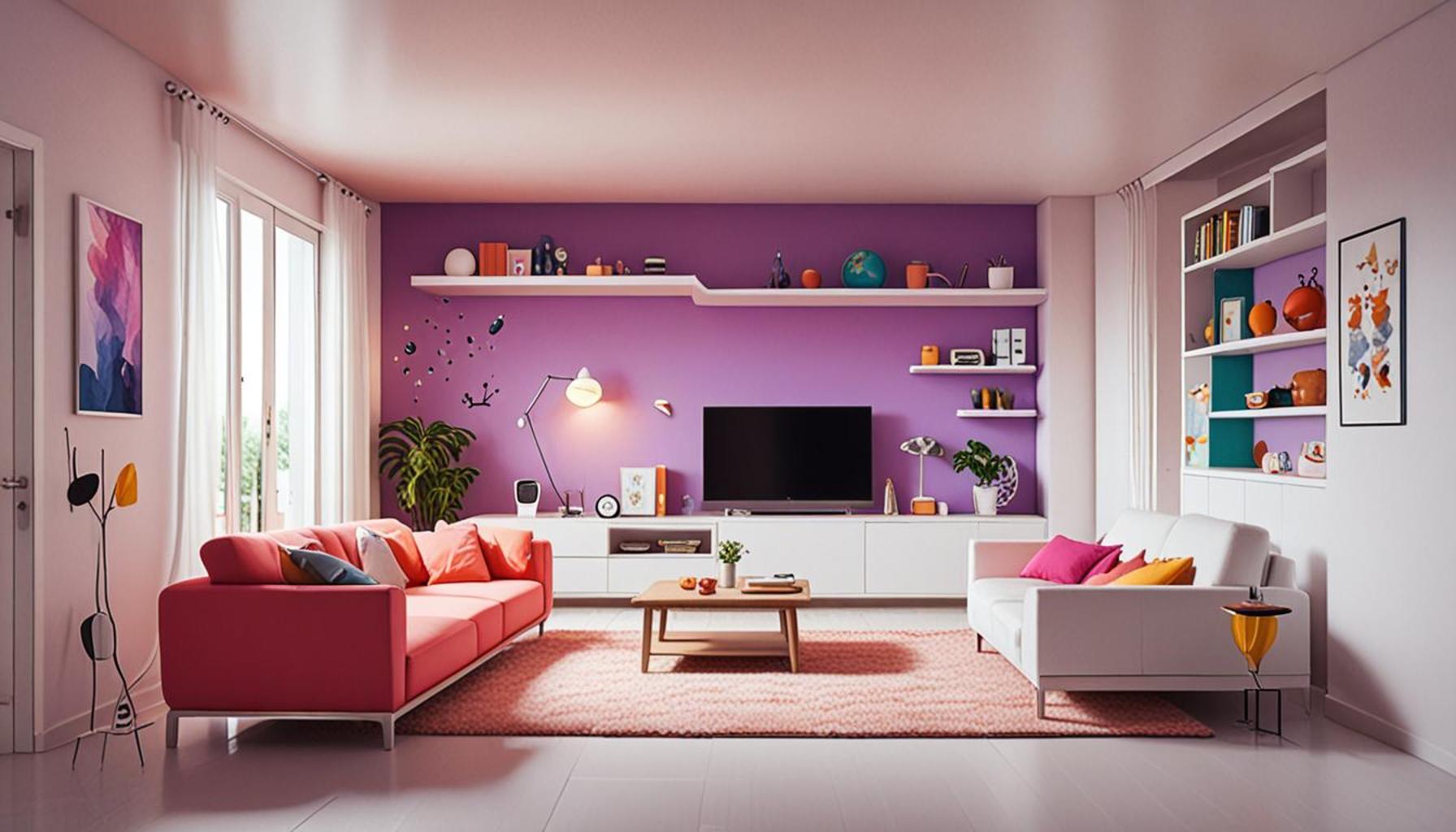
In today’s fast-paced world, the environment we inhabit has a profound impact on our overall well-being. Optimal space management is not just a luxury; it is a necessity that can significantly enhance our quality of life. By creating organized and aesthetically pleasing surroundings, we can reduce stress levels and increase our productivity, fostering a healthier lifestyle. This notion perfectly aligns with the burgeoning trend of minimalism, which encourages individuals to consciously evaluate their possessions.
Understanding Minimalism
Minimalism transcends mere decluttering; it represents a complete lifestyle overhaul aimed at simplifying our environments. When effectively embraced, minimalism can bring numerous benefits, including:
- Increased focus: A clear and orderly space contributes to improved concentration, allowing individuals to engage with their tasks without the distractions of clutter.
- Emotional well-being: By minimizing tangible and visual chaos, we can alleviate feelings of anxiety and depression, paving the way for improved mental health.
- Enhanced functionality: Streamlined spaces lead to greater efficiency, enabling individuals to navigate their daily routines with ease and grace.
The Nigerian Context
In a vibrant country like Nigeria, particularly in urban hubs such as Lagos and Abuja where many reside in compact living spaces, effective space management is even more crucial. The limitations of space can be transformed into an opportunity for creativity. Simple, minimalistic designs can turn even the smallest homes into:
- Welcoming sanctuaries: A thoughtfully arranged home can become a peaceful escape from the hustle and bustle of daily life, allowing individuals to recharge in a serene environment.
- Showcases of culture: Well-chosen décor items can serve as an expression of personal and cultural heritage, turning a minimalistic home into a powerful narrative of identity.
- Functional living spaces: A focus on utility can lead to multi-purpose areas that cater to the complex needs of family life in Nigeria, providing solutions that accommodate work, relaxation, and leisure activities.
As we delve deeper into the impact of space management through the lens of minimalism, we uncover numerous ways that our homes can be transformed. They evolve into not just shelters but reflections of our personal values and lifestyle choices. By prioritizing optimal space management, particularly in the Nigerian context, individuals can enhance their living conditions and foster a sense of well-being that resonates throughout their lives.
YOU MAY ALSO LIKE: Read read another article
Redefining Spaces Through Minimalism
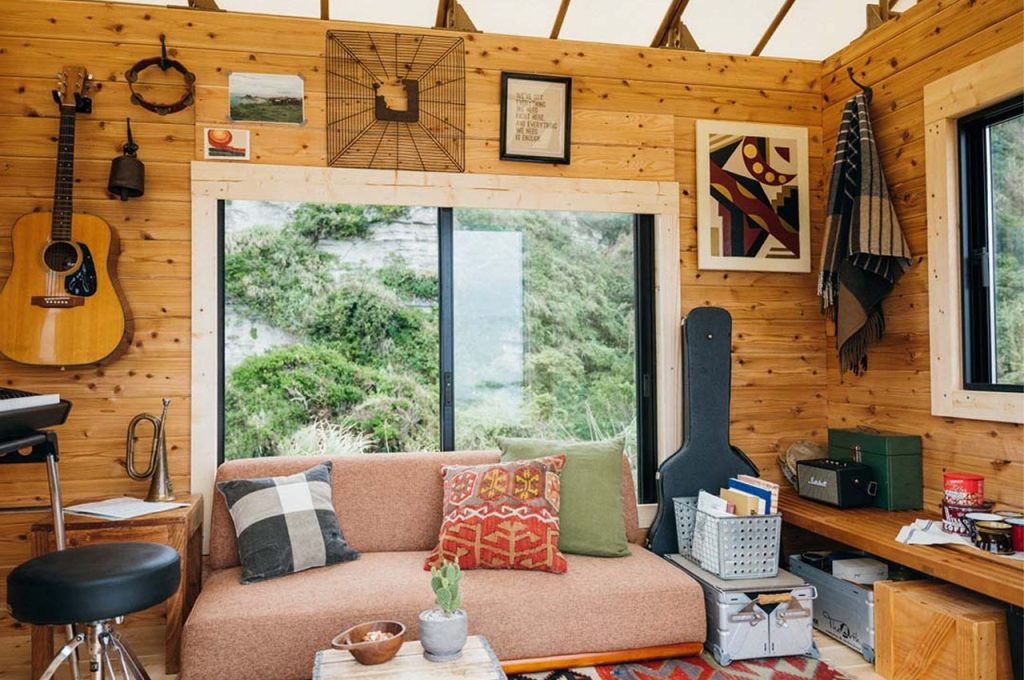
As we explore the potential of space management in enhancing our quality of life, it becomes clear that simplicity is a powerful tool. Minimalism offers a blueprint for transforming our environments into functional and peaceful settings, making it particularly relevant in densely populated regions like Nigeria. It invites us to consider the essence of our living spaces and how we can optimize them without sacrificing personal style or comfort.
Practical Applications of Minimalism
To truly understand how minimalism can transform our homes, we must delve into the practical applications that support better space management. This includes employing specific strategies designed to maximize utility while fostering an emotionally supportive environment. Here are some effective practices:
- Purging Unnecessary Items: Transitioning to minimalism starts by evaluating what we truly need. This means removing excess items that clutter not only our physical space but also our mental well-being.
- Smart Storage Solutions: Utilizing multi-functional furniture can play a significant role in smaller homes, particularly in Nigerian cities where space is at a premium. For instance, a bed with built-in drawers can provide additional storage while maintaining a clean aesthetic.
- Adopting Neutral Color Palettes: Light and neutral colors can create an illusion of larger spaces, imparting a sense of calm. Choosing a cohesive color scheme allows different areas to flow seamlessly into one another, enhancing overall harmony.
Incorporating these strategies not only optimizes space but also fosters an atmosphere conducive to relaxation and well-being. For residents in Nigeria, adopting minimalistic principles can significantly alter living conditions. Limited space can no longer be viewed as a disadvantage, but rather a canvas for creativity and functionality. By combining artistry with pragmatic design choices, homes can transform into sanctuaries that reflect personal tastes and cultural heritage.
The Role of Culture in Minimalist Spaces
Cultural identity plays a pivotal role in how we design and manage our spaces. In Nigeria, rich heritage and diverse traditions provide a wealth of inspiration for minimalist décor. By intentionally selecting decorative pieces that tell a story—such as handcrafted art, traditional textiles, and local crafts—homeowners can maintain a connection to their roots while embracing minimalism. This fusion creates a space that not only feels personal but also celebrates one’s cultural lineage, adding depth to the minimalist lifestyle.
As we continue to explore the impact of space management on quality of life, embracing minimalism can be the game changer many urban dwellers are seeking. It’s about more than just aesthetics; it’s about crafting an environment that nurtures our health, creativity, and even our connections to community and culture.
| Advantages of Space Management | Key Features |
|---|---|
| Enhanced Mental Clarity | Minimalism promotes a clutter-free environment, leading to reduced stress and better focus. |
| Improved Functionality | Efficient use of space allows for smoother daily routines and enhances productivity. |
| Emotional Well-being | Simpler spaces foster tranquility, creating a haven for relaxation and rejuvenation. |
| Sustainable Living | Minimalism encourages conscious consumption, reducing waste and promoting eco-friendly choices. |
As people shift towards a minimalist lifestyle, the effects on their quality of life become increasingly evident. When space is intentionally managed, it can lead to enhanced mental clarity. A clutter-free environment means less distraction and improved focus. This newfound clarity can pave the way for greater creativity and productivity, values that are essential in our fast-paced world.Furthermore, the ability to improve functionality within the home cannot be understated. When furniture and belongings serve specific purposes and spaces are optimized, daily routines become smoother and more enjoyable. This optimization is a critical aspect of space management that many often overlook.In addition to practicality, emotional well-being benefits are significant. Simplistic designs and fewer possessions contribute to a feeling of tranquility, vital for relaxation and rejuvenation. Particularly in urban areas where space is limited, creating a serene environment can combat the chaotic nature of daily life.Lastly, embracing minimalism inherently promotes sustainable living. It encourages individuals to make thoughtful purchasing decisions, leading to reduced waste and supporting eco-friendly practices. This shift towards a minimalist mindset not only transforms homes but can also inspire broader community changes in consumption habits.
YOU MAY ALSO LIKE: Read read another article
Creating Harmony in Urban Living
In the busy landscape of Nigerian cities like Lagos and Abuja, where space is often limited, the benefits of thoughtful space management become even more pronounced. Minimalism empowers residents to craft environments that promote harmony and serenity amid the urban hustle. By streamlining our spaces, we can lead lives that are not only aesthetically pleasing but also functionally efficient.
Enhanced Mental Clarity
One of the most transformative effects of adopting a minimalist approach is the profound impact it has on mental clarity. Research indicates that clutter can lead to increased stress and anxiety. In Nigeria, where life can be fast-paced and overwhelming, simplifying one’s environment can serve as an antidote to mental fatigue. For instance, households can benefit from creating designated zones for relaxation, such as a cozy reading nook free from distractions, allowing individuals to unwind and recharge.
When space is optimized, it encourages mindfulness. Organizing belongings that serve a purpose helps minimize overwhelming choices, leading to better decision-making and enhanced focus. Implementing simple actions, like maintaining a ‘one in, one out’ rule for belongings, fosters intentional living and reduces the emotional load of managing excess possessions.
Community Connection through Shared Spaces
Minimalism effects not just personal spaces but extends its influence to communal living areas as well. Nigeria’s rich culture relies on community; hence, shared spaces are essential. By promoting open and shared environments that adhere to minimalist principles, families and friends can enjoy quality time together. Designing multifunctional lounges in communal living areas invites gatherings and fosters stronger relationships among residents.
In cooperative housing or shared apartments, employing space management strategies can lead to harmonious cohabitation. Creating common areas that are free of clutter and decorated with meaningful artifacts encourages collaboration and communication among individuals from diverse backgrounds. These shared experiences resonate with the minimalist ethos, highlighting the beauty of simplicity in forming lasting connections.
Minimalist Landscaping: Bringing Nature Inside
Even the outdoor space can benefit from a minimalist touch. In Nigerian urban settings, where the hustle often overshadows nature, incorporating a small garden or green area can make a significant difference. Landscaping with native plants not only beautifies the home but also serves a functional purpose, like improving air quality and providing a calming atmosphere. Utilizing vertical gardens or balcony pot plants can maximize limited space while bringing the essence of nature indoors.
The soothing influence of greenery, coupled with a minimalist approach that reduces visual clutter, creates an environment that invites tranquility. By establishing this balance, residents can nurture both their physical and mental well-being.
As we begin to see the myriad ways minimalism can enhance quality of life, especially within the context of Nigerian urban living, the focus shifts from merely occupying space to curating an experience. Space management, when infused with minimalist philosophies, can pave the way for enriched lifestyles marked by clarity, community bonding, and a deeper connection to nature.
SEE ALSO: Click here to read another article
Conclusion
In conclusion, the transformative power of space management through minimalism cannot be overstated. As demonstrated throughout this article, adopting minimalist principles within our homes fosters an environment that enhances not only personal well-being but also community connectivity. The clutter-free ambiance cultivated through intentional organization leads to improved mental clarity and reduced stress levels, making it particularly impactful in the fast-paced urban environments of Nigeria.
The intersection of minimalism and shared community spaces reveals an opportunity to strengthen social bonds among residents. Encouraging openness and functionality in communal areas fosters collaboration and connection, reinforcing the cultural fabric that is so vital in Nigerian society. Additionally, embracing minimalist landscaping practices integrates nature into urban settings, yielding both aesthetic and health benefits, such as cleaner air and a comforting atmosphere.
As we navigate the complexity of modern living, the call for mindful consumption and living becomes stronger. The journey towards a simpler, more meaningful existence, enriched by thoughtful space management, is not solely about aesthetics; it’s about nurturing a lifestyle that celebrates clarity, tranquility, and connection to both one another and the natural world. In this age of rapid change, let us embrace minimalism as a foundation to transform our homes and, in turn, our lives for the better. By doing so, we can create a harmonious balance that enhances our quality of life, one carefully curated space at a time.