
Spatial Organization Methods: Creating a Minimalist Environment at Home
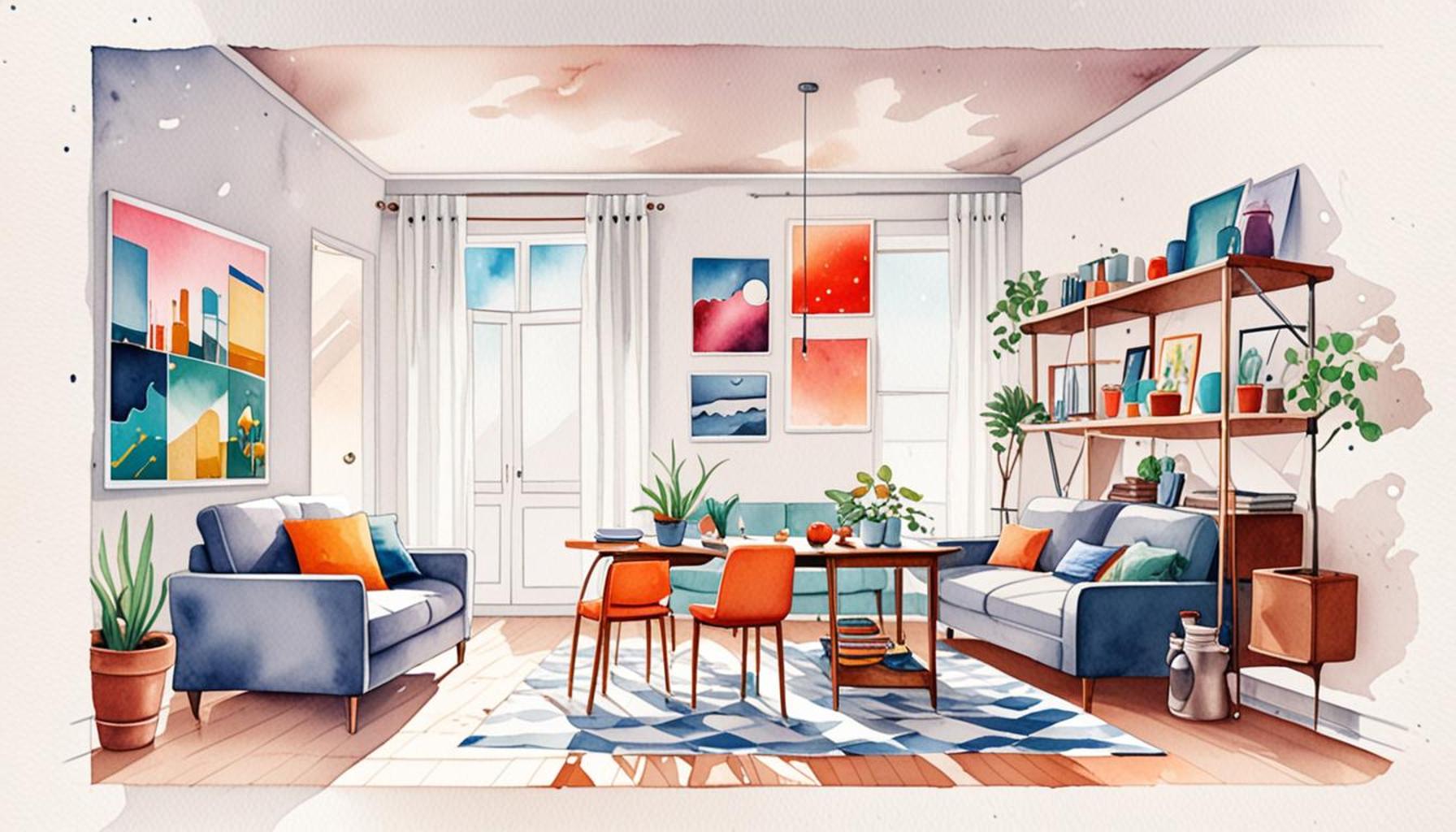
Embrace the Power of Minimalism
In our fast-paced world, characterized by constant distractions and chaos, more individuals in Nigeria are discovering the transformative power of spatial organization methods. By choosing to live with less, they are learning to appreciate the things that hold true value in their lives. Minimalism encourages a simpler, more intentional way of living, fostering environments that support mental well-being and productivity.
But why embrace minimalism? The advantages are compelling:
- Clearer Mind: Research shows that a decluttered space can enhance mental clarity and reduce stress levels. For those living in vibrant cities like Lagos or Abuja, where the environment can sometimes feel overwhelming, returning to a clean, organized home can serve as a sanctuary.
- Enhanced Focus: Studies indicate that fewer distractions in one’s surroundings can significantly improve concentration. This is especially vital for students and professionals striving to excel in their pursuits. Imagine a workspace free from clutter, where every item serves a purpose, enabling enhanced productivity.
- Increased Space: Thoughtful organization can revolutionize small residential areas, turning crowded rooms into functional spaces tailored to specific needs, whether it be for studying, relaxation, or social gatherings.
Engaging with minimalism does not entail sacrificing personal style; instead, it encourages the selection of meaningful and functional elements:
- Functional Furniture: Opt for pieces that fulfill multiple roles, such as a sofa bed that provides comfort while accommodating guests, or a coffee table that doubles as a storage unit.
- Neutral Palettes: Utilizing soft, calming colors like whites, beiges, and pastels creates a peaceful atmosphere, ideal for unwinding after a hectic day.
- Smart Storage Solutions: Identify creative storage solutions like under-bed compartments or vertical shelving that maximize space without adding visual clutter.
In Nigeria, particularly in densely populated urban areas, the adoption of these spatial organization methods can significantly enhance the quality of life. A minimalist approach not only fosters a sense of order but can also lead to greater emotional well-being. Interested readers are encouraged to explore various techniques, such as the KonMari Method or the use of 30-day decluttering challenges, to better embrace minimalism in their homes.
Stay with us as we delve deeper into practical strategies and inspiring stories that will help guide you on your journey toward a more minimalist lifestyle.
ADDITIONAL INSIGHTS: Expand your understanding here
Practical Steps Towards Minimalism
Adopting a minimalist lifestyle requires more than just a mindset; it necessitates actionable steps and specific spatial organization methods to create an environment that resonates with simplicity and functionality. In Nigeria, where the juxtaposition of urban vibrancy and personal space are often at odds, effective organization can help alleviate the pressures of modern living. Here we explore different approaches to help individuals harness the full potential of minimalism in their homes.
Assess and Prioritize Your Space
The first step in creating a minimalist environment is to evaluate what you currently have. Decluttering is more than just tossing items into a bin; it involves assessing each object’s value to your life. Begin by asking yourself these questions:
- Does this item serve a purpose? Consider whether it fulfills a function in your daily life, or if it simply occupies space.
- Does it bring me joy? Inspired by Marie Kondo, this question can help you decide which items are worth keeping. Joyful objects can create a personal connection that enhances your living space.
- How often do I use it? If an item is rarely utilized, it may be time to let it go. This can especially apply to one-time-use appliances or decorations that no longer resonate.
After this evaluation, categorize your belongings into keep, donate, or discard. This method opens up space and mental clarity, essential elements in a minimalist home.
Organizing with Intention
With a manageable selection of items left, the next phase is organized storage. It’s essential to implement strategies that encourage a clean environment without compromising functionality. Here are effective tips:
- Adopt Verticality: Use vertical shelving units to draw the eye upward, making a room appear more expansive. Items can be displayed beautifully while still remaining organized.
- Box and Baskets: Group similar items together in decorative boxes or baskets. This not only hides clutter but creates a stylish yet organized look.
- Multi-Purpose Spaces: Designate areas of your home for various activities. For instance, a living room can double as a workspace when equipped with a neat desk and a few essential tools.
Utilizing these strategic organization methods ensures that the home remains conducive to a minimalist lifestyle, fostering an atmosphere of peace and functionality. This approach is particularly relevant in urban Nigerian living, where space is at a premium and must be optimized.
Mindful Consumption
Finally, minimalism extends beyond organization to involve mindful consumption. Each new acquisition should be purposeful and align with your newly established principles. By prioritizing quality over quantity, you invest in items that will serve you longer and enhance your living space instead of overcrowding it.
In summary, creating a minimalist environment is not merely about reducing clutter; it’s about redefining your relationship with your belongings and understanding their true significance in your life. Through careful assessment, intentional organization, and mindful consumption, you can foster a space that promotes clarity, creativity, and emotional well-being—essential elements for thriving in the dynamic Nigerian lifestyle.
| Advantages | Details |
|---|---|
| Simplified Living | A minimalist home encourages a simplified lifestyle by reducing clutter, leading to less stress and enhanced focus. |
| Enhanced Aesthetics | Fewer items create a cleaner, sleek look, transforming spaces into peaceful retreats that are visually appealing. |
| Increased Functionality | Thoughtfully arranged items enhance usability, making every space more functional and accessible. |
| Cost-Effectiveness | Investing in fewer, high-quality items can lead to overall savings over time, reducing the need for constant upgrades. |
RECOMMENDED: Check out this similar article
Embracing Flexibility in Design
To create a truly minimalist environment, one must embrace the concept of flexibility in design. This approach permits a dynamic living space that can adapt to different needs and circumstances. In Nigeria, where families often entertain guests or undergo lifestyle changes, adaptable spaces are essential. Utilizing modular furniture is an effective means to achieve this. Seating arrangements that can be easily rearranged or components that can be converted from seating to storage not only optimize space but also ensure functionality without sacrificing aesthetics.
Incorporating Natural Elements
Another aspect of fostering a minimalist environment is to incorporate natural elements into your home. Biophilic design—connecting homes to nature—can help create a calming atmosphere that enhances mindfulness. For example:
- Indoor Plants: Adding plants like snake plants or pothos can improve air quality and bring vibrancy into the room.
- Natural Light: Maximizing natural light through strategically placed mirrors or sheer curtains can make your space feel larger and more inviting.
- Natural Materials: Using wood, stone, or other organic materials can add warmth to your minimalist layout, steering clear of synthetic alternatives that often create visual clutter.
Simple changes, like introducing occasional greenery or light sources, can make a significant impact on the overall mood and spatial quality of a home.
The Importance of Designated Zones
A crucial feature of spatial organization methods that aligns with minimalism is the creation of designated zones within your home. This concept helps maintain order by ensuring every item has a place, reducing chaos. When designing zones, consider the activities your household engages in most frequently. For instance:
- Go for Functional Segmentation: Separate rooms into zones for relaxation, dining, work, and hobbies. This separation can help in decluttering each space according to its intended use.
- Utilize Divider Solutions: In open-plan layouts, using open shelves or decorative screens can create visually appealing separations without compromising flow.
- Encourage Collaborative Spaces: In Nigerian homes where family and communal connection is vital, consider adapting communal areas that can accommodate both family gatherings and individual activities.
By defining these zones, you can keep your home organized and foster an environment where both solitude and connection can thrive.
Digital Decluttering
While much emphasis is placed on physical belongings, one cannot overlook the importance of digital decluttering in the pursuit of minimalism. Modern Nigerians often juggle multiple devices and platforms—an array of applications, files, and notifications that can clutter our mental space. Consider the following:
- Streamlining Devices: Limit the number of digital devices you use daily; consolidate tasks into fewer tools, which helps create a more organized digital experience.
- Inbox Management: Regularly unsubscribe from newsletters or promotional emails that no longer serve your interest, decluttering your inbox and reducing digital distractions.
- Organize Digital Files: Create clear folder structures for important documents and media, ensuring easy retrieval and minimizing the digital chaos that can accumulate over time.
By addressing your digital life alongside your physical space, you can maintain a holistic view of minimalism, leading to improved focus and productivity.
SEE ALSO: Click here to read another article
Conclusion
Creating a minimalist environment at home is not merely about reducing clutter; it’s about fostering a sense of peace, functionality, and intentionality in your living space. By adopting spatial organization methods, you can transform your surroundings into a calm retreat that aligns with your lifestyle. The integration of modular furniture provides the flexibility needed to adapt your space for various activities, whether it’s a family gathering or a quiet evening alone.
Moreover, by incorporating natural elements like plants and abundant light, you can enhance your home’s ambiance while promoting wellness and mindfulness. Establishing designated zones not only encourages organization but also fosters areas of collaboration and relaxation, essential in vibrant Nigerian households. Additionally, the often-overlooked aspect of digital decluttering plays a crucial role, as streamlining your online life can improve clarity and focus in both personal and work spheres.
In conclusion, embracing these methods will lead you to cultivate a minimalist environment that resonates with your values and modern living needs. It encourages you to explore your home in new ways, where every element serves a purpose, and every space feels welcoming. As you embark on this journey, remember that the core of minimalism lies in choosing quality over quantity, simplicity over chaos. By doing so, you will not only enjoy a more serene home but also contribute to a lifestyle that prioritizes peace and clarity amidst life’s hustle and bustle.