Mindful Consumption as a Tool to Reduce Stress and Anxiety

Navigating the Path to Mindful Consumption
In today’s fast-paced world, where distractions are abundant and stress is prevalent, many are seeking ways to find peace and balance. One effective approach gaining popularity is mindful consumption. This practice encourages individuals to make intentional choices about what they consume, leading to heightened awareness and reduced anxiety. Embracing mindful consumption can transform not just personal habits but also influence broader societal behaviors.
What is Mindful Consumption?
Mindful consumption refers to the deliberate decision-making process regarding the consumption of resources such as food, media, and products. The core principles of this practice include:
- Being aware of the impact of your choices. This means recognizing how your purchases affect the environment, local economies, and your own well-being.
- Focusing on quality over quantity. Instead of buying numerous low-quality items, opt for fewer, high-quality alternatives that will last longer and serve you better.
- Taking the time to reflect before purchasing or consuming. This involves pausing to consider whether a product or meal aligns with your values and needs.
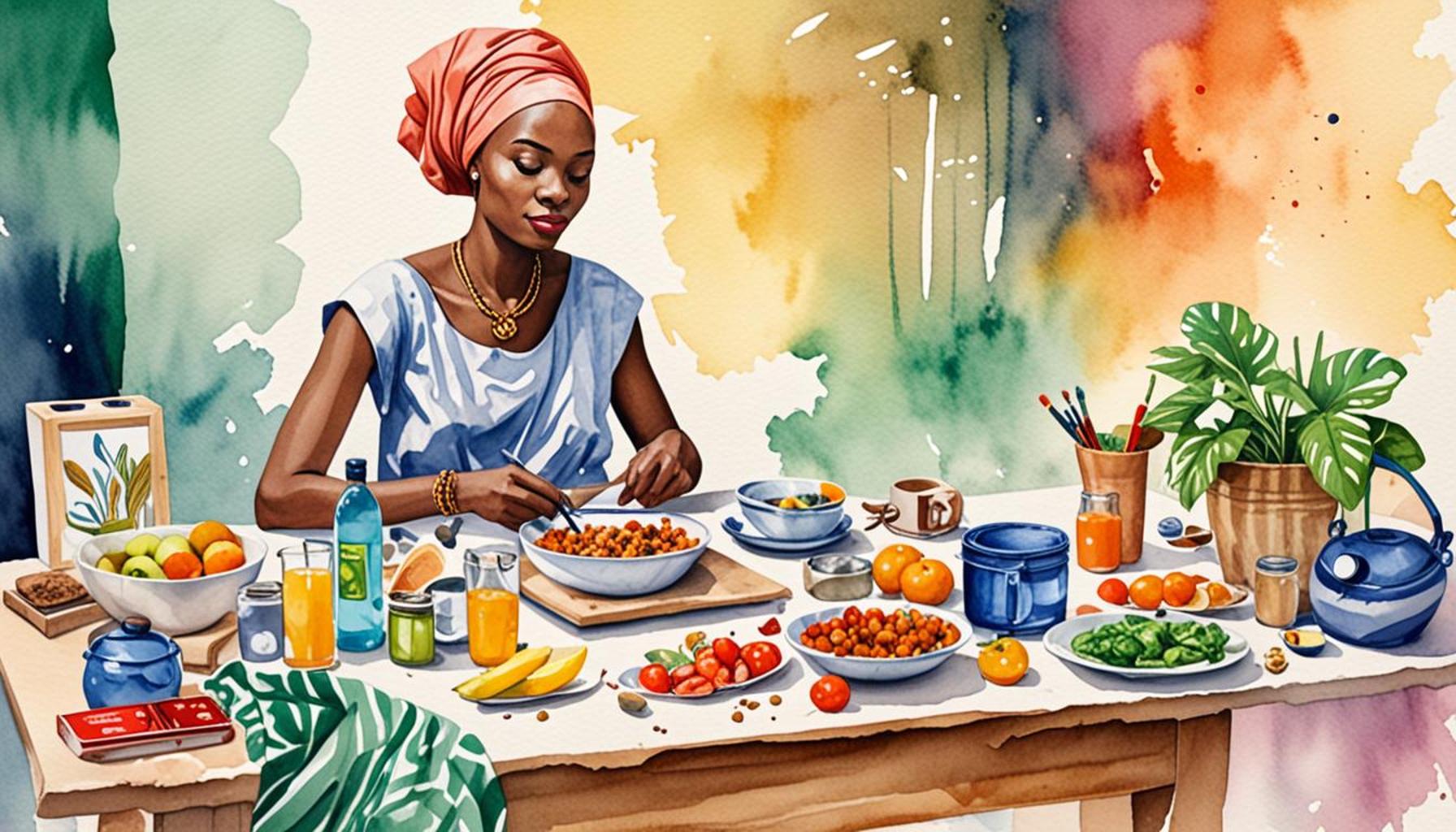
In Nigeria, where consumerism is rapidly evolving, the adoption of mindful consumption can significantly alleviate stress. For instance, choosing locally sourced foods can do wonders for both your health and the economy. By supporting local farmers, you not only enjoy fresh and nutritious produce but also contribute to reducing the carbon footprint associated with imported goods.
Furthermore, reducing screen time, especially in an age flooded with social media and digital distractions, can enhance mental well-being. Limiting exposure to an ever-scrolling news feed can allow individuals to reconnect with their families and communities, fostering meaningful relationships and communication.
Benefits of Mindful Consumption
Engaging in this practice yields various benefits that can enhance overall well-being, including:
- Decreasing feelings of anxiety. By focusing on intentional choices, consumers often experience a significant reduction in marketing-induced stress.
- Increasing gratitude and satisfaction. Mindful consumption helps individuals appreciate what they have, leading to a more fulfilling life.
- Encouraging responsible and sustainable choices. This practice promotes awareness of sustainability, encouraging consumers to support eco-friendly products and businesses.
As you delve deeper into the concept of mindful consumption, exploring different methods to integrate these principles into your daily life will pave the way for a more peaceful existence. Consider journaling your consumption patterns, engaging in community markets, or even participating in workshops focused on sustainability in Nigeria. Each step you take, no matter how small, contributes to a more intentional and conscious lifestyle.
Ultimately, the journey toward mindful consumption is not just about individual choices; it can foster a cultural shift towards more sustainable practices and healthier living. In doing so, it promotes a society where consumption is not just about acquisition, but about meaningful choices that resonate with our values and the world around us.
LEARN MORE: This related article may interest you
Understanding Mindful Consumption: A Gateway to Serenity
Incorporating mindful consumption into daily life is not merely a trend; it is a conscious cultivation of awareness that can significantly impact both mental health and overall well-being. As many in Nigeria grapple with the pressures of urbanization and globalization, the concept of mindful consumption represents an opportunity for personal empowerment through intentional choices. By understanding the influence of consumption on our lives, individuals can navigate stress and anxiety more effectively.
The Connection Between Consumption and Mental Health
Research indicates that what we consume—be it food, media, or material goods—can affect our psychological state. Overconsumption, particularly in a society bombarded with marketing messages, can lead to feelings of overwhelm and inadequacy. Industries thrive on creating desires for products that often don’t align with our actual needs. This disconnection can contribute to anxiety and stress, leaving individuals searching for a sense of fulfillment. Practicing mindful consumption helps break this cycle by encouraging us to:
- Evaluate Personal Needs: Reflecting on what you truly need versus what is available can significantly reduce the pressure to conform to consumerist norms.
- Set Boundaries: Establishing limits on consumption—whether it’s signing out of social media, reducing spending on unnecessary items, or setting dietary restrictions—creates a buffer against external stressors.
- Practice Gratitude: Acknowledging and appreciating what you already possess can foster a sense of contentment and reduce the urge to constantly seek more.
For many Nigerians, traditional cultural values emphasize communal living and shared resources. However, the modern push towards individualism and consumerism can create dissonance. By adopting mindful consumption, individuals can reconnect with their roots, choosing products and practices that not only benefit themselves but also support local economies and the environment.
Mindful Food Choices: A Case Study
In the realm of food, mindful consumption takes on a particularly transformative role. In Nigeria, the act of sourcing fresh, local produce—such as fruits from farmers’ markets or traditional markets—fosters a connection to the land and its people. This approach offers more than just nutritional benefits; it can also lead to reduced anxiety. When you know where your food comes from, it instills a sense of control and purpose. Moreover, it often leads to healthier dietary choices, which are linked to improved mental health.
Engaging with local vendors and supporting small-scale farmers can also create a sense of community and belonging, combating feelings of isolation that many face in urban settings. In this way, the practice of mindful consumption serves as a bridge connecting individuals to one another and to the natural world. By emphasizing relationships over mere transactions, we cultivate a more enriching and less stressful lifestyle.
Ultimately, embracing mindful consumption as a tool to reduce stress and anxiety is about more than individual choices; it encourages a collective awakening that can reshape consumption patterns at a national level. By fostering a culture centered on thoughtful decisions, Nigerians can create a more sustainable, aware society.
| Advantages | Effects on Well-being |
|---|---|
| Increased Awareness | Mindful consumption fosters greater awareness of one’s habits and choices, leading to more intentional purchasing decisions. |
| Stress Reduction | Engaging in mindful practices can significantly lower levels of stress and anxiety by promoting a calm and focused mindset during daily activities. |
| Enhanced Satisfaction | Choosing quality over quantity leads to greater satisfaction with purchases, as consumers appreciate and value what they own more deeply. |
| Emotional Balance | Mindful consumption encourages reflection on emotional triggers associated with shopping, allowing individuals to maintain better emotional balance. |
Integrating practices of mindful consumption can transform the way we perceive our needs, focusing on mental well-being while making intentional choices. By honing in on these benefits, individuals can harness the power of mindfulness to cultivate a more stress-free existence, ultimately leading them to explore further avenues for self-improvement and emotional resilience.
RECOMMENDED: Check out this similar article
Reimagining Consumerism: The Role of Mindful Choices in Daily Life
The myriad choices available in today’s market can often feel overwhelming. However, practicing mindful consumption brings clarity to these decisions, allowing individuals to align their purchases with their values. In Nigeria, where the blend of tradition and modernity shapes consumer behavior, understanding how these mindful choices contribute to mental well-being is essential. By consciously selecting what we consume, from food to fashion, we can significantly reduce the stress often associated with consumer pressure.
Mindful Media Consumption: Navigating the Digital Age
Another critical aspect of mindful consumption is media. With the rise of social media platforms and constant access to information, individuals can easily become inundated with stimuli that trigger anxiety. Research shows that excessive engagement with social media correlates with increased feelings of inadequacy and mental distress. Adopting a mindful approach to media consumption is necessary in today’s digital landscape. This can involve:
- Scheduling Screen Time: Setting specific times for social media engagement helps mitigate compulsive scrolling and also allows individuals to focus on more fulfilling activities, such as spending time with family or pursuing hobbies.
- Curation of Content: Being selective about what we consume online can bolster our mental health. Following accounts that inspire positivity and growth while unfollowing those that promote comparison and negativity creates a healthier digital environment.
- Engaging in Real-Life Connections: Prioritizing in-person interactions over virtual ones can foster deeper relationships and a greater sense of belonging, directly combating feelings of anxiety.
Moreover, individuals in Nigeria can leverage local media channels, which often emphasize community stories and cultural pride, to counteract the stress caused by globalized media narratives that can feel alienating. When individuals engage with media that reflects their realities, they develop a sense of grounding that nurtures mental stability.
Mindful Fashion Choices: Sustainability and Personal Expression
The fashion industry is another arena where mindful consumption can thrive. The fast fashion model promotes a cycle of overconsumption, which feeds anxiety and environmental degradation. On the other hand, adopting a more conscious approach to fashion allows for personal expression without the accompanying guilt of supporting unsustainable practices. Mindful fashion choices can include:
- Choosing Quality Over Quantity: Investing in fewer, high-quality pieces that resonate with individual style can create a more satisfying wardrobe, reducing the stress of decision fatigue and clutter.
- Supporting Local Artisans: Engaging with local designers and artisans not only stimulates the economy but also fosters a sense of pride and connection to one’s community. Wearing garments that tell a local story becomes not just an act of consumption but a celebration of cultural heritage.
- Participating in Clothing Swaps: Organizing or joining clothing swaps allows individuals to refresh their wardrobe without purchasing new items, promoting sustainability and creativity.
This approach nurtures a mindful mindset that reflects one’s values and reduces anxiety stemming from conformity and consumer culture. By shifting the focus from mass-produced items to meaningful consumer choices, Nigerians can cultivate a sense of satisfaction and connection that enhances well-being.
Overall, the principles of mindful consumption extend beyond individual choices, impacting community health and mental well-being. By collectively embracing these practices, a more balanced and supportive cultural landscape can emerge within Nigeria, facilitating a shift away from anxiety-inducing consumer habits.
YOU MAY ALSO LIKE: Read read another article
Conclusion: Embracing Mindful Consumption for Better Well-Being
In a world where the pressures of consumerism can often feel insurmountable, mindful consumption emerges as a powerful tool for enhancing mental health and reducing stress and anxiety. By taking a step back and evaluating our purchasing habits—from the products we buy to the media we consume—we empower ourselves to make choices that resonate with our personal values and cultural identities. In Nigeria, where the vibrant tapestry of tradition meets the challenges of modernity, embracing mindful practices not only promotes individual well-being but also fosters a sense of community and connectedness.
When we prioritize quality over quantity, support local artisans, and curate our media experiences, we create a lifestyle that is not only sustainable but also enriching. These mindful choices allow us to reject the fast-paced cycle of consumption that often leads to feelings of inadequacy and burnout. Instead, we cultivate a deeper appreciation for what truly matters—our relationships, our cultural heritage, and our well-being.
By integrating these principles into daily life, we can collectively shift towards a healthier consumer culture that values intentionality over mindlessness. As we navigate the complexities of the digital age, remembering that our choices shape not just our lives but also our communities can inspire a wave of positive change in Nigeria. Ultimately, mindful consumption is not just about what we buy; it is about how we live, connect, and find joy in the journey towards mental balance and happiness.