
Impact of Conscious Consumption on Waste Reduction in Nigerias Daily Life

Understanding Conscious Consumption
In today’s world, the concept of conscious consumption has emerged as a vital response to the escalating waste crisis. This practice encourages individuals to be mindful of their purchasing decisions, leading to significant shifts in personal organization and minimalism. In Nigeria, where waste management poses considerable challenges, embracing conscious consumption can profoundly impact daily life.
Why This Matters
Adopting a minimalist lifestyle that prioritizes essential purchases over excess can help mitigate waste issues faced by many Nigerians. By aligning values with actions, communities can foster sustainable practices and improve environmental conditions. The relevance goes beyond individual actions; it encompasses collective responsibility and cultural shifts.
Exploring the Benefits
Throughout this article, we will delve into the top 5 ways consciousness in consumption impacts waste reduction in Nigeria. Each example reflects practical strategies that individuals can implement in their daily routines. Together, these insights will illuminate the transformative power of mindful choices in fostering a sustainable future.
Top 5: The Impact of Conscious Consumption on Reducing Waste in Daily Nigerian Life
As global awareness around sustainability continues to rise, Nigeria is experiencing a remarkable shift toward conscious consumption. This change is significantly affecting waste reduction in everyday life, reshaping individual behaviors while fostering community efforts and invigorating local economies. In this article, we will delve into the top five ways conscious consumption influences waste management in Nigeria, ranked from least to most impactful.
5. Encouraging Local Initiatives
In recent years, conscious consumption in Nigeria has spurred the *emergence of numerous local initiatives* dedicated to waste reduction. These grassroots initiatives aim at promoting sustainable practices within communities. For instance, community clean-up programs and awareness campaigns play a central role in educating individuals about the intricacies of waste management and the environmental impact of improper disposal habits. Taking part in these initiatives not only reinforces community ties but also develops a communal sense of ownership over environmental challenges.
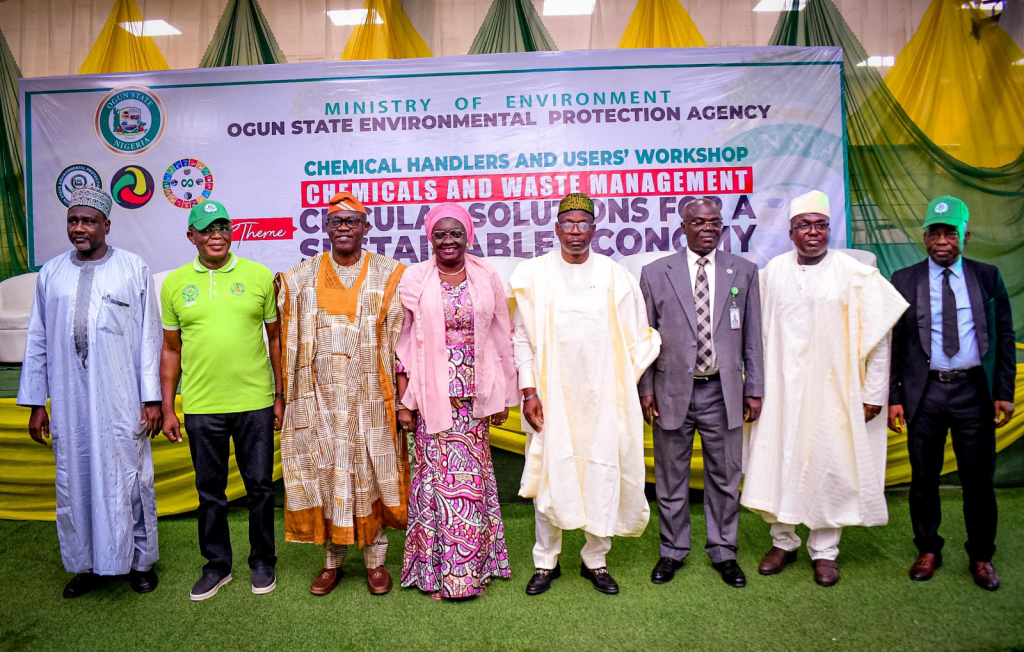
A profound example is the “Clean-Up Nigeria” campaign, which organizes regular clean-up activities in various neighborhoods, inspiring residents to actively participate in maintaining cleaner environments. These initiatives often rely on local volunteers and work collaboratively with schools, religious groups, and neighborhood associations, creating a multigenerational effort. The success of such initiatives showcases the ability of concerted community efforts to lay the groundwork for a culture of sustainability, making way for larger, systemic changes in both consumption and waste habits in the broader Nigerian context.
4. Sustaining Local Economies
Conscious consumption has substantially contributed to the *sustainability of local economies* in Nigeria. By prioritizing locally produced goods, Nigerian consumers actively support small businesses and help reduce the demand for imported items, which are often associated with excessive packaging and high carbon footprints. Focusing on local consumption not only circulates money within these communities but also curtails waste generated from transporting goods over long distances.
Consider the rise of local farmers’ markets and cooperative societies promoting indigenous products. Such platforms not only bring consumers closer to their food sources but also encourage the cultivation of local produce, which inherently demands less packaging and creates less waste. A number of enterprising Nigerians have launched fair-trade cooperatives that offer a range of locally sourced goods, from textiles to crafts. By supporting these local enterprises, Nigerians can directly contribute to a sustainable economic model while simultaneously reducing the waste footprint of their daily lives.
3. Fostering Educational Campaigns
Conscious consumption has led to the blossoming of *educational campaigns* that aim to inform the public about waste management and sustainable practices. Across Nigeria, non-profit organizations, and government agencies are diligently working to educate citizens on the benefits of reducing consumption, recycling, and proper waste disposal methods. These educational campaigns often leverage various media platforms, including the ever-expanding reach of social media, to spread their message broadly.
- Awareness Programs: These initiatives play an essential role in educating the public about the impact of waste on environmental health.
- Workshops: Hands-on learning experiences, often led by sustainability advocates, teach individuals practical ways to reduce waste in their daily lives.
- School Curriculums: By integrating sustainability education into school systems, Nigeria inspires the next generation to adopt sustainable practices from a young age.
An example of such an initiative is the “Recycle Your Waste” program, which partners with schools across different states to introduce recycling practices to students. By engaging young minds and their families, these campaigns instill values of sustainability and good waste management habits, cultivating a generation that approaches environmental responsibility with seriousness and enthusiasm.
2. Influencing Consumer Behavior
Nigerians are increasingly adopting conscious consumption habits, leading to a noticeable shift in *consumer behavior*. There is a growing trend among consumers to become more mindful of the environmental impacts of their purchasing choices. Individuals are now favoring products with minimal packaging, selecting reusable items over disposables, and engaging more in second-hand shopping.
Mobile apps like “Thrift.ng” have gained popularity by promoting resale and thrift shops, making it convenient and trendy to purchase preloved items. This shift in purchasing habits is crucial, as it targets waste reduction right at the source while sending a strong signal to manufacturers regarding the changing consumer preferences. Companies perceive these shifts and may innovate their products, aiming to reduce waste in their supply chains, which ultimately can lead to large-scale societal changes toward sustainability.
1. Reducing Overall Waste
Arguably, the most significant impact of conscious consumption in Nigeria is the *reduction of overall waste*. Through active participation in practices such as recycling, composting, and mindful purchasing, both individuals and communities contribute to a marked reduction in the amount of waste produced daily. These collective efforts have vast environmental benefits, reducing pollution, easing the strain on overburdened landfills, and supporting biodiversity.
Nigeria is increasingly witnessing a shift towards a greener lifestyle. Urban areas like Lagos have embraced recycling initiatives, and residents are now encouraged to sort their waste and dispose of it properly. Educational platforms and workshops provide training on composting organic waste at home, further decreasing household waste output. The gradual embrace of zero-waste stores, where consumers bring their containers for bulk purchasing, exemplifies this shift toward minimal waste lifestyles.
In the face of Nigeria’s environmental challenges, such efforts are not merely experiments but pivotal steps toward fostering a healthier planet for future generations. Recognizing the importance of conscious consumption, the Nigerian populace stands as a beacon for others, demonstrating the power of individual actions in addressing global environmental issues.
In conclusion, the impact of conscious consumption in Nigeria offers vital insights into sustainable living and waste reduction. By adopting these practices, individuals contribute to a greener future while enhancing community resilience and economic sustainability.
| Category | Details |
|---|---|
| Awareness and Education | Increasing awareness about the environmental and social impacts of consumption is crucial. Educational programs focusing on conscious consumption practices can significantly reduce waste. Implementing workshops in communities can enhance understanding and encourage more sustainable choices. |
| Community Initiatives | Local groups are vital in promoting collective responsibility. Initiatives such as community gardens and shared resources reduce individual consumption and promote sharing, effectively minimizing waste generation. |
| Economic Benefits | Conscious consumption can lead to significant economic savings, as reduced buying leads to lower expenses. This economic incentive drives individuals to rethink their consumption patterns, benefiting both their pocket and the environment. |
| Policy and Regulation | Government policies encouraging sustainable practices can create an environment conducive to reducing waste. Regulations that limit single-use items and promote recycling incentives can effectively change consumer behavior and societal norms. |
By examining the multifaceted impact of conscious consumption, it becomes evident that each category contributes uniquely to reducing waste and fostering a sustainable future. The focus on awareness and education empowers individuals to make informed choices, while community initiatives foster collaboration and shared responsibility. Economic benefits not only incentivize users but also pave the way for a more sustainable lifestyle. Additionally, robust policy frameworks can catalyze these changes, creating an environment where conscious consumption becomes the norm rather than the exception. Exploring these aspects reveals a path forward for Nigeria, where reducing waste is not just beneficial, but essential for a sustainable tomorrow.
Frequently Asked Questions about the Impact of Conscious Consumption on Waste Reduction in Nigerian Daily Life
What does conscious consumption mean in the Nigerian context?
Conscious consumption in Nigeria involves making purchasing decisions that are environmentally sustainable, economically sensible, and socially responsible. In a country with diverse economic realities, this includes choosing local products, reducing plastic usage, and conserving resources where possible. The goal is to minimize waste generation while supporting local businesses and communities.
How can individuals in Nigeria contribute to waste reduction through conscious consumption?
Individuals can adopt several practices to reduce waste, such as using reusable bags, opting for bulk purchases to minimize packaging, and supporting companies that have sustainable practices. Additionally, being aware of product lifecycles and choosing items that are durable or recyclable can significantly impact overall waste reduction.
What are some challenges faced in promoting conscious consumption in Nigeria?
One major challenge is the need for more awareness and education regarding the benefits and methods of conscious consumption. In addition, economic constraints might make it difficult for some individuals to prioritize sustainability over affordability. Another issue is the inadequate waste management infrastructure, which can hinder recycling and other waste reduction efforts.
Are there any cultural or traditional practices in Nigeria that align with conscious consumption?
Yes, many traditional practices inherently support sustainable living. For instance, the age-old practice of using organic waste as compost in farming exemplifies waste reduction. Sharing resources within communities and families also aligns with the principles of conscious consumption, reducing unnecessary purchases and waste generation.
How is the awareness of conscious consumption growing among Nigerian consumers?
Awareness is gradually increasing, with more discussions and initiatives aiming to educate and engage citizens about sustainable practices. Social media campaigns, community workshops, and school programs are playing pivotal roles in spreading knowledge. As more people embrace this movement, there is hope for a larger impact on national waste reduction strategies.
Conclusion: Embracing Conscious Consumption in Nigeria
The journey towards conscious consumption in Nigeria stands as a beacon of potential for reducing waste effectively in daily life. Minimalism and personal organization offer formidable approaches for individuals to examine their consumption habits, encouraging a shift towards sustainability and environmental stewardship.
Recognizing the impact of consumer choices on both local and global scales is vital. By adopting practices such as mindful purchasing, reusing resources, and prioritizing quality over quantity, Nigerians can significantly reduce waste output. These practices support not only environmental health but also economic efficiency, reducing unnecessary expenditure and fostering community resilience.
The integration of traditional wisdom with modern minimalism presents a unique opportunity. Local customs, which often emphasize resourcefulness and communal sharing, complement the ethos of conscious consumption. This cultural blend enriches personal and household management, highlighting that sustainable lifestyles are not only achievable but deeply rooted in Nigeria’s heritage.
The power of collective action cannot be overstated. Awareness campaigns and community initiatives champion the values of minimalism and personal organization efficiently, making strides towards educating the public and instigating meaningful change. The younger generation’s enthusiasm in adopting these practices marks a promising trend toward an environmentally conscious future.
In conclusion, the impact of conscious consumption in Nigeria extends beyond reducing waste—it reshapes societal values, enhances personal organization, and promotes economic sustainability. As more Nigerians become aware of and embrace these principles, the potential for transformative change remains immense, inviting readers to explore the myriad benefits of adopting a minimalist lifestyle.